
by webmanager webmanager

What is the Load Capacity of Cast Iron Manhole Cover?

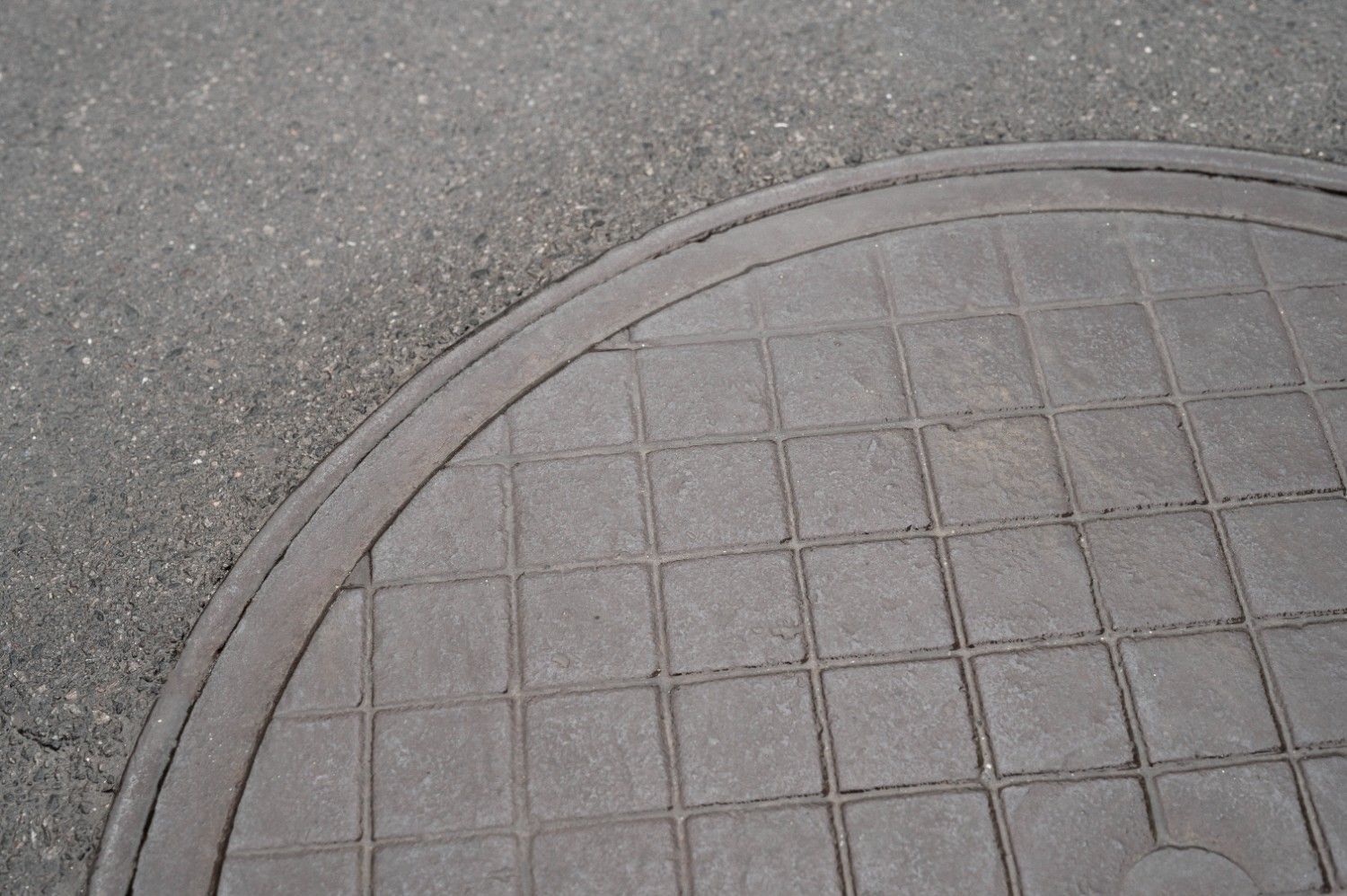
In the context of drainage, sewerage, and utility systems, a cast iron manhole cover is of considerable importance. Through a manhole cover, one can gain access to the underground passages. Also, with the cover in place, one can safeguard the passages from damage and other unforeseen accidents. When selecting a manhole cover, the load capacity is very important.

In simple terms, load capacity pertains to the weight or stress the cover can bear without fracturing or bending. The cover will be safe and functional no matter where it is placed, be it in a quiet neighborhood or a busy highway, as long as the appropriate load capacity is observed.


Cast Iron Suitcase Weight

Understanding Load Capacity

The load capacity or limit of a manhole cover made of cast iron is defined as the maximum weight a cover can carry when a person or a machine walk over it. This type of cover measurements is crucial when selection is made, for example a cover put on garden pathways will have much lesser load capacity compared to a cover put on heavy vehicle routes.

The expected load for manhole covers is specified after conducting expected cracking and load-bearing tests. In this case, cast iron is the material chosen as it is easily available, has a very high strength, and is wear-resistant.

Load Capacity Standards

From an international perspective, load capacities fall under specific classifications such as EN 124 or IS 1726 in the case of India. These standards specify the classification of manhole covers in relation to their load-bearing capability and the intended purpose of their application, as follows:

  • A15 Class Capacity of 1.5 tons. Used in pedestrian zones and parks.
  • B125 Class Capacity of 12.5 tons. Used for light traffic and in parking lots.
  • C250 Class Capacity of 25 tons. Found in streets with low-speed traffic.
  • D400 Class – Capacity of 40 tons. Found on major and interstate roads.
  • E600 and F900 Classes – Used in heavy-duty areas such as docks, airports, and industrial zones.

Each class guarantees that the cast iron manhole cover will be capable of functioning properly under the anticipated load circumstances.

Factors Affecting Load Capacity

A variety of factors determine the carrying capacity of a cast iron manhole cover:

  • Material Quality

Compared to other materials, cast iron as a cover material has high strength and durability. This grade of material can withstand heat; however, lower grade materials tend to be more fragile and can break with even a slight load. 

  • Design

Covers can have reinforced or ribbed patterns which improve the shape besides increasing the load bearing ability. The cover’s contour and its thickness provoke significance as well.

  • Manufacturing Standards  

The fabrication of covers meeting either international or national standards undergoes load testing to ascertain their capacity.  

  • Installation Quality  

Not even the strongest manhole cover can withstand improper installation. Correct placement of the cover is critical for proper alignment and engagement.

  • Usage Environment  

A marked footpath has comparatively lesser capacity needs than a heavily trafficked highway.

Why Choosing the Right Load Capacity Matters

Utilizing a manhole cover that lacks adequate weight capacity limits can result in:

  • Safety concerns: It is potential for structural collapse when overloaded.  
  • Increased maintenance expenditureIt’s extra journeys for manhole or component exchange.
  • Disruptions to traffic Accidents or slow movements from damaged covers.
  • Reduced lifespan Improperly damaged manhole covers due to excess load.

Proper selection guarantees that the cover will reduce the number of repairs needed and improve safety.

How to Select the Right Load Capacity

When deciding on a cast iron manhole cover, pay attention to:

  1. Site – Is it located on a footpath, a parking area, or a road?
  2. Vehicle Activity Will it be used by light vehicles, heavy lorries, or construction equipment?
  3. Standard for Load Capacity Adhere to the minimum requirements of the load class set by national regulations.
  4. Potential Demand Think about an increased number of vehicle trips or heavier loads.

Conclusion

The cover’s cast iron structure, just like any other object, has its pros and cons, and in this case, the performance factors and safety features rest in the load capacity of the iron covers. Every context has its own criteria, and covers can be selected from light pedestrian traffic to heavy highway use. Covers manufactured to the criteria of the iron cover industry can be easily selected, along with their durability, providing the needed safety.

Govind Steel is one of the leading manufacturers of premium cast iron manhole cover, known for their quality, durability, and compliance with international standards. Types of manhole covers include light and heavy duty. Our clients span across industries, and we have decades of experience in foundry manufacturing. Clients are ensured precise engineering and flawless components, irrespective of the industry, and the products are reliable in performance even in extreme conditions.

FAQs:

Q1. What is the maximum load limit given to a cast-iron manhole cover?  

A1. The maximum load limit is specified at 90 tons, or Class F900, employed in airport and industrial zones. This is under the EN 124 Standards.   

Q2. How can I determine the load capacity of a manhole cover I already have?  

A2. You can easily verify the cover’s load class as the manufacturer marks it alongside other relevant information.

Q3. How does rust affect the structural integrity of cast iron manhole covers?  

A3. As noted, rust can certainly reduce the strength of the metal. That is why doing the cleaning and manhole and applying the anti-corrosion treatments as necessary is very critical.

by webmanager webmanager

How to Install a Recessed Manhole Cover?

A recessed manhole cover can be set flush with surrounding areas using paver stones, poured concrete, or tiles. Walkways, patios, and even driveways are the greatest places for these kinds of recessed coverings because they have controlled aesthetics.  Installing a recessed manhole cover requires the same procedures as other recessed manhole covers to ensure its usefulness, longevity, and aesthetic appeal. 

Installation Instructions for Recessed Manhole Covers: 

Recessed Manhole Cover

Step 1: Prepare the Area

Prior to starting an installation, make sure the workspace is clear and organized. Carefully remove the existing manhole cover and frame. The cover and frame repairs require some focus. Manhole cover mount dimensions if recessed checks need; safety and cover durability is enhanced.

Step 2: Ensure a Level Base

A stable framework is made up of compressed flat solid materials. Manhole frames require mortar or concrete to secure them properly. Any inconsistencies in leveling will cause the cover to rock or sit improperly. Make sure to check the level with a spirit level before proceeding to the next step.

Step 3: Install the Frame

Set the new frame in position. Ensure that it is perfectly aligned with the adjacent surface. Use mortar to seal the edges to ensure it is held securely in position. The frame should be aligned with the surrounding surface so that the recessed manhole cover sits securely without the risk of tripping.

Step 4: Allow Mortar to Set

Be sure to allow the mortar to set for the prescribed period of time which is often 24 hours. This part is important to follow for the reason that progressing too early may cause the frame to shift. This misalignment could lead to more complicated repairs down the line.

Step 5: Place the Recessed Tray

The section of the manhole cover that will receive the paving or concrete is the recessed tray. Set the tray in the frame. Ensure it is balanced and can be easily lifted out for maintenance, if necessary.

Step 6: Fill the Tray

Utilize the same material from which the tray’s surface is crafted from. If your driveway is paved, use matching pavers; if it is tiled, use the same tiles. This guarantees that the recessed cover will blend beautifully with the surrounding surface. Make sure that the materials are placed flush to the surface. A small amount of mortar should be placed to hold the pavers or tiles in the tray.

Step 7: Finishing Touches

Once the filling material cures, borders need cleaning to remove excess mortar or debris. Confirm that the recessed cover gets lifted without damaging the surface fill. In case the cover feels heavy post filling, inserting lifting keys may be required for easier removal during maintenance. If the cover is too heavy after filling, you may need to insert lifting keys for easier removal during maintenance.

Important Tips for a Perfect Installation

  • Select Appropriate Size: Make sure you measure precisely when buying recessed manhole covers.
  1. Material Quality: Durable trays and frames that can withstand heavier loads result in less frequent maintenance.
  2. Blend Surface Material: Mismatched surface materials are avoided while achieving the desired smooth finish.
  3. Assume Appropriate Drying Duration: Installation weak spots and misalignment are often consequences of rushing.
  4. Check Approachability: Check that the cover is accessible since maintenance work might require more effort to reach covered areas.

Common Mistakes to Avoid

  • Uneven Bases: Uneven bases lead to a lack of stability. 
  • Inappropriate Cover Filling: An improperly filled cover will cause the cover to stand out rather than blend in. 
  • Neglecting to Allow for Setting Time: Weak mortar will not adequately support the frame in position.

Conclusion

Correct positioning of a set-in manhole cover involves more than simply placing it where it is intended to go; it entails careful planning to ensure precision during the placement and the finishing touches. The cover assists in making the property visually appealing and allows easier access to maintenance services. At Govind Steel, we understand that quality and adherence to parameters are of utmost importance.

Being one of the leading producers of cast iron goods, we manufacture recessed manhole covers which adhere to the required standards of any industry. They are easy to install, last a long time, effortlessly surpass a phenomenal load-bearing capacity, and are easy to fit. For any residential, commercial, or industrial purpose, the products from Govind Steel are not only strong and functional, but also combines incredible aesthetics, which adds to the timeless beauty of the installation.

FAQs:

Q1: Can I do the recessed manhole cover installation by myself?

A1: A basic level of masonry skills means that you can perform a self-installation processes. Nonetheless, experts provide certainty around more complex workings like precision fitting, and will yield a more aesthetically pleasing and durable result.

Q2: How do I choose the recessed manhole cover that will best fit my needs?

A2: Measurement of the openings coupled with selection of a proportional cover that meets the required load specifications will ensure that you achieve the desired results.

Q3: Is it possible for me to remove the cover post installation if I would like to?

A3: Tracked recessed manhole covers which are cost effective can be fully dismantled and lifted for servicing, meaning that maintenance is always easy no matter what servicing is required.