
by webmanager webmanager

Suitcase Counterweights for Tractors to Improve Load Balance in Field Operations

Tractors do a lot more than pull implements across fields. They carry weight, absorb strain, and maintain balance while working on soil that is rarely even. Anyone who has watched a tractor pulling a heavy rotavator across a wet field knows what happens when the balance is off. The front lifts slightly, steering becomes unpredictable, and traction drops.
This is where the Agricultural Suitcase Counter Weight uses become practical rather than technical. These compact ballast units help maintain proper load balance during demanding agricultural tasks. For many farmers across India, especially those operating medium-sized tractors, they are a quiet but essential part of field efficiency.
Companies such as Govind Steel supply suitcase counterweights designed specifically for agricultural operations where stability and traction matter every working day.

Why Load Balance Matters More Than It Seems

A tractor’s weight distribution plays a large role in how effectively it works. In practice, most agricultural tractors operate best with roughly sixty percent of the weight on the rear axle and forty percent on the front. This balance keeps the machine stable while maintaining steering control.
Problems arise when heavy implements are attached. Rear-mounted equipment such as rotavators, seed drills, or ploughs can shift the weight dramatically backward. When that happens, the front axle becomes lighter and steering responsiveness drops.
In parts of India where the soil becomes soft after irrigation or monsoon rains, this imbalance becomes even more noticeable. Wheel slip increases. Fuel consumption rises. Sometimes the front of the tractor even lifts slightly during acceleration.
Suitcase counterweights solve this by adding controlled ballast to the front bumper or rear hitch, depending on the implement being used.

How Suitcase Counterweights Work in Field Conditions

Suitcase counterweights are cast-iron blocks designed to hang securely on mounting brackets attached to tractors. Their shape resembles a compact suitcase, which is how the name came about.
Their real advantage is flexibility.
Instead of installing one heavy fixed ballast, farmers can add or remove individual weights depending on the task. Each unit typically weighs between twenty and fifty kilograms. Multiple units can be stacked on the bracket until the required balance is achieved.
In practice, this modular system works well for farms where one tractor performs many different tasks. Ploughing may require heavier front ballast. Transport work may need less weight to improve fuel efficiency.
The ability to adjust ballast quickly makes these counterweights far more practical than bulky ballast boxes.

Key Benefits for Indian Field Operations

When properly installed, suitcase counterweights improve tractor performance in several ways that farmers notice almost immediately.

Enhanced stability

A balanced tractor remains stable even while pulling heavy implements. This reduces the risk of the front end lifting when moving uphill or working on uneven terrain.

Improved traction

Weight distribution improves ground contact between tyres and soil. Less wheel slip means better traction and reduced tyre wear. Over time, this also helps reduce fuel consumption.

Operational flexibility

Because these weights are modular, they allow farmers to adapt ballast depending on the task. A heavier setup may be required for ploughing, while lighter setups work for spraying or transport.

Compact design

Unlike ballast boxes that extend outward, suitcase weights sit close to the tractor frame. On smaller farms or narrow field paths commonly seen in India, this compact setup makes manoeuvring easier.
These advantages may appear small individually. Together, they improve both productivity and safety.

Materials and Manufacturing Considerations

Most suitcase counterweights are produced from cast iron or ductile iron. These materials provide high density in a relatively compact size, which is why they are preferred for tractor ballast.
Manufacturers typically design them with integrated handles and slots for quick mounting. Durability is important because the weights are exposed to dust, moisture, and constant vibration.
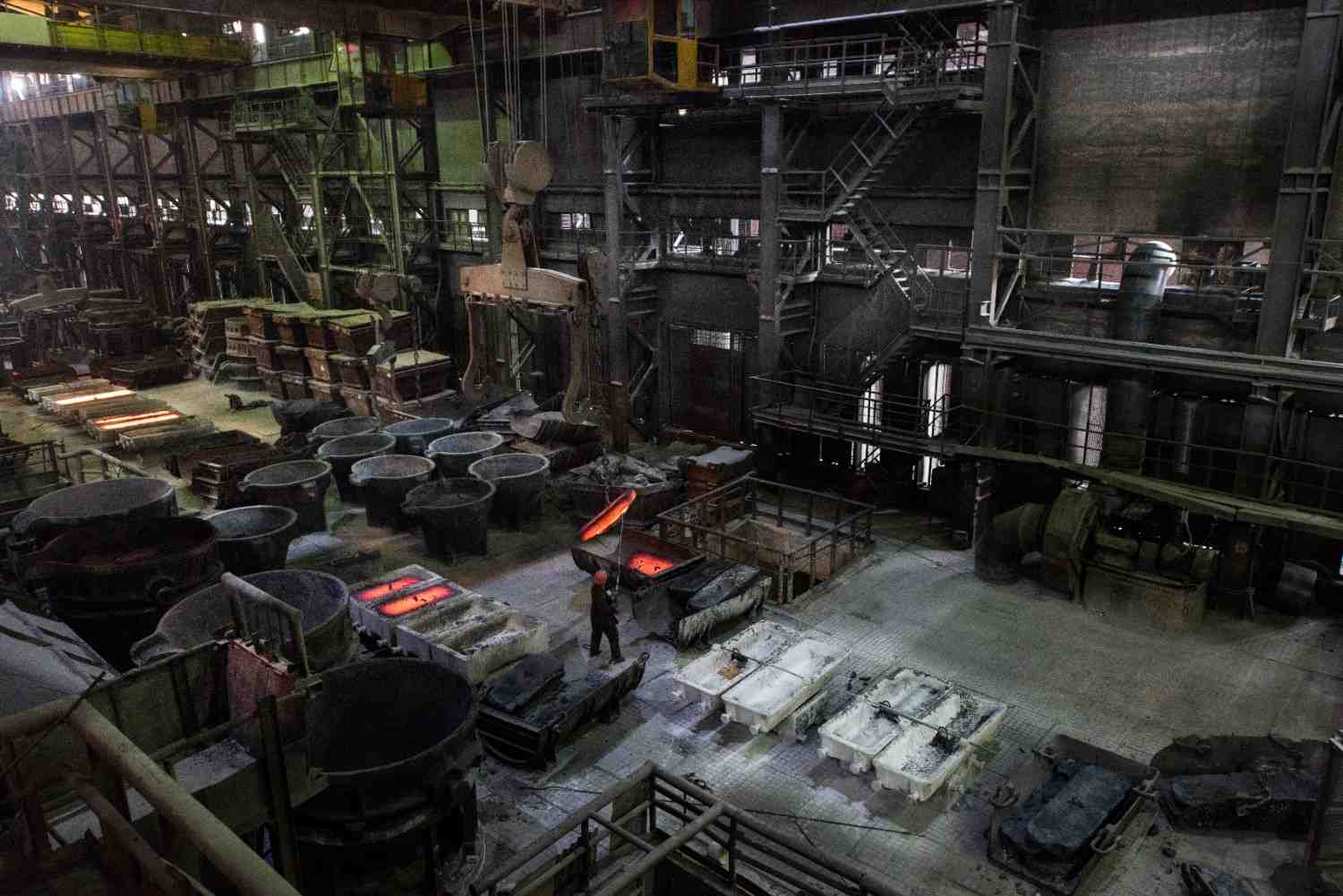
Reliable Counterweight manufacturers in India often rely on traditional casting methods combined with modern moulding techniques to ensure consistent weight and structural strength. Many production facilities are located in eastern India, where the metal casting industry has deep roots.
Several Foundries in Kolkata and nearby industrial areas specialise in agricultural castings. Suppliers such as Govind Steel operate within this manufacturing ecosystem, producing counterweights that meet the needs of agricultural machinery users across the country.

Choosing the Right Counterweight Setup

Selecting the right ballast is not just about adding more weight. Over-ballasting can damage the tractor’s axle and reduce efficiency.
Farmers usually follow a few practical checks before installation:

Match ballast to tractor horsepower

Every tractor has a recommended axle load limit. Exceeding it can strain the drivetrain.

Check mounting compatibility

The counterweight bracket must fit the tractor’s bumper or hitch system correctly.

Install weights symmetrically

Weights should be balanced evenly across both sides. Uneven loading can affect steering and cause long-term wear.
A knowledgeable counterweight supplier can usually guide farmers in selecting the correct configuration based on tractor size and implement type.

Why the Right Counterweight Makes a Difference

Farm efficiency often depends on small mechanical details. Counterweights rarely attract attention compared to engines or implements. Yet they directly influence stability, traction, and safety.
That is why many experienced farmers treat them as essential equipment rather than optional accessories.
Manufacturers like Govind Steel focus on producing durable cast iron suitcase weights that can withstand harsh agricultural conditions while maintaining consistent performance across seasons.
Anyone exploring Agricultural Suitcase Counter Weights uses may find it worthwhile to discuss specific tractor configurations with experienced suppliers or local equipment specialists. A short conversation with professionals familiar with Indian field conditions often clarifies how the right ballast setup can improve everyday tractor performance.

FAQs

1. What are suitcase counterweights used for in tractors?
They add ballast to improve tractor stability, traction, and load balance when using heavy agricultural implements.

2. Where are suitcase counterweights installed?
They are typically mounted on the tractor’s front bumper or rear hitch, depending on where additional balance is required.

3. What materials are suitcase counterweights made from?
Most are manufactured from cast iron or ductile iron because these materials provide high density and durability.

4. How heavy are typical tractor suitcase counterweights?
Individual units usually weigh between 20 kg and 50 kg, allowing farmers to stack them for adjustable ballast.
by webmanager webmanager

How Heat Treatment Enhances Durability and Microstructure in Cast Iron Foundries

When you invest in premium infrastructure, you do not think in years. You think in decades. Whether it is Cast iron manhole covers in India for gated communities or heavy-duty cast iron valve boxes for industrial corridors, durability is not optional. It is expected.

At the heart of that durability lies one decisive factor: the Cast Iron Heat Treatment Process. If you are working with a serious cast iron manufacturer, this process quietly defines whether your investment holds its shape, strength, and structure over time.

Why Heat Treatment Is Not Just a Technical Step

In practice, many buyers focus on weight and finish. They rarely ask about microstructure. That is understandable. Microstructure is invisible.

Yet, the way graphite forms inside cast iron and how the metal matrix settles after casting determines everything. Strength. Wear resistance. Shock absorption.

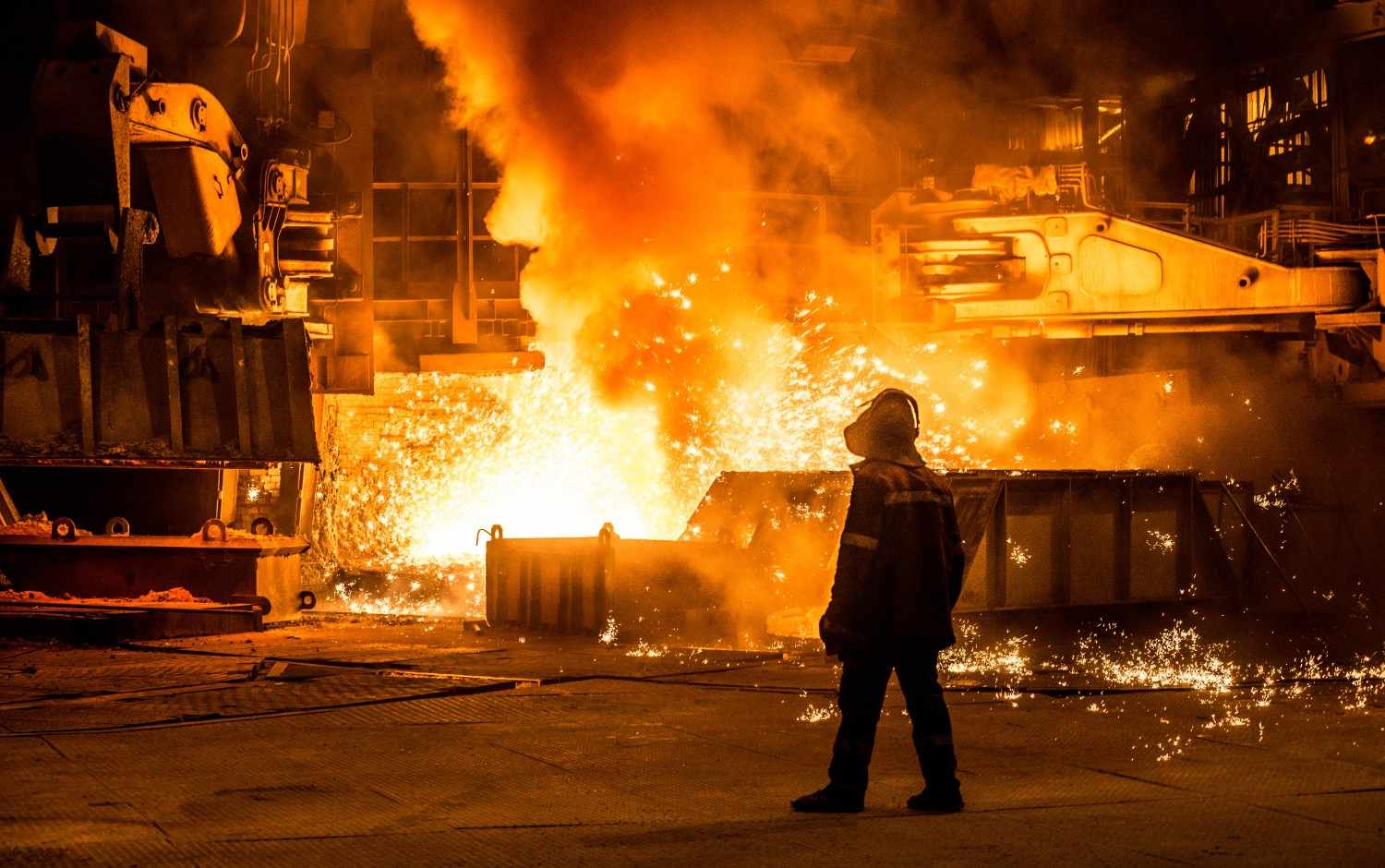
The Cast Iron Heat Treatment Process controls this internal arrangement. It refines grain structure, relieves internal stress, and stabilises hardness. Without it, castings may look impressive but behave unpredictably under load.

For premium projects in India, especially in high-traffic urban zones, that risk is unacceptable.

Understanding What Changes Inside the Metal

When cast iron solidifies, it traps residual stresses. Rapid cooling can create hard and brittle phases like cementite. Over time, these internal tensions show up as cracks or deformation.

Heat treatment alters this.

Through controlled heating and cooling cycles, the Cast Iron Heat Treatment Process transforms the internal matrix. In grey cast iron, it can improve machinability and stress relief. In ductile iron, it enhances toughness and fatigue strength.

For example, when manufacturing Cast iron manhole covers in India, stress relieving is essential. These covers endure constant dynamic loads from commercial vehicles, monsoon moisture, and temperature variations. If the internal stresses are not stabilised, surface cracks may appear within a few seasons.

A responsible cast iron manufacturer understands this. They do not rush cooling to increase output. They control the thermal cycle carefully.

That discipline shows up years later on the road.

Indian Conditions Demand Better Metallurgy

Let us be realistic. Infrastructure in India faces punishing conditions.

  • Extreme summer heat in North India.
  • High humidity in coastal belts.
  • Heavy monsoon flooding in cities like Mumbai and Kolkata.
  • Intense axle loads in industrial zones.

These conditions test the structural integrity of cast iron valve boxes and Cast iron manhole covers in India constantly.

The Cast Iron Heat Treatment Process improves dimensional stability. It reduces the risk of distortion when exposed to heat cycles. It increases resistance to fatigue caused by repetitive traffic load. It also enhances corrosion resistance when paired with proper coatings.

In luxury residential townships and smart city developments, buyers are no longer price-driven alone. They are reputation-driven. They prefer a cast iron manufacturer that treats metallurgy seriously rather than merely casting to shape.

Types of Heat Treatment That Matter

Not every heat treatment is the same. The process depends on the application.

Stress relieving removes internal casting stresses without altering the structure significantly. This is common for cast iron valve boxes that require dimensional stability.

Annealing softens the structure and improves machinability. It is useful when precise machining is required post-casting.

Normalising refines grain size and improves strength consistency. For high-load cast-iron manhole covers in India, this adds uniform performance across batches.

In practice, foundries serving premium infrastructure projects often combine treatments based on grade requirements.

The point is simple. If your supplier cannot clearly explain which Cast Iron Heat Treatment Process they use and why, you should pause.

Why Microstructure Directly Affects Longevity

Microstructure sounds academic. It is not.

Graphite flakes in grey iron improve vibration damping. Nodular graphite in ductile iron improves tensile strength and elongation. The distribution and shape of these graphite formations are influenced during solidification and stabilised during heat treatment.

A poorly treated casting may develop uneven hardness zones. Under load, stress concentrates in weaker areas. Cracks initiate silently.

For Cast iron manhole covers in India, this can lead to rocking covers, premature wear, or failure under heavy vehicles.

Similarly, improperly treated cast iron valve boxes may warp slightly, affecting sealing and alignment.

These failures are not dramatic at first. They are gradual. Expensive. Avoidable.

A mature cast iron manufacturer invests in controlled furnaces, temperature monitoring, and process documentation because microstructure consistency builds long-term trust.

Choosing the Right Cast Iron Manufacturer

If you are evaluating suppliers for infrastructure or premium township projects, ask practical questions.

  • Do they follow documented Cast Iron Heat Treatment Process cycles?
  • Do they test hardness and microstructure samples?
  • Are their cast-iron manhole covers in India compliant with load class requirements?
  • Do their cast iron valve boxes undergo stress relief before dispatch?

In India, regulatory compliance for municipal products is tightening. Urban development authorities increasingly demand documented quality assurance.

A manufacturer with disciplined heat treatment capability is better prepared for such scrutiny.

A Quiet Advantage That Protects Capital

Heat treatment does not change appearance dramatically. It changes reliability.

When you invest in heavy castings, you are parking capital into infrastructure expected to last decades. The difference between a treated and untreated casting may not be visible on day one. It becomes visible after years of traffic, climate exposure, and mechanical stress.

That is why the Cast Iron Heat Treatment Process is not a minor technical footnote. It is the backbone of performance.

If you are planning a project across India and want clarity on grades, load ratings, or the suitability of Cast iron manhole covers in India and cast iron valve boxes for your specific environment, it helps to speak with a technically grounded cast iron manufacturer. A thoughtful discussion early on often prevents expensive corrections later.

FAQs

What is the purpose of the Cast Iron Heat Treatment Process?
It relieves internal stress, refines microstructure, and improves the strength, toughness, and durability of cast iron products.

Is heat treatment mandatory for cast-iron manhole covers in India?
For high load classes and municipal use, stress relieving or normalising is strongly recommended to ensure long-term safety.

Does heat treatment increase the cost significantly?
It adds controlled processing cost, but reduces long-term failure and replacement expenses.

Are cast iron valve boxes heat-treated differently from manhole covers?
Yes, treatment depends on load and application. Valve boxes often require stress relief for dimensional stability.

by webmanager webmanager

Valve Boxes in Agricultural Irrigation Systems – Protecting Rural Water Networks

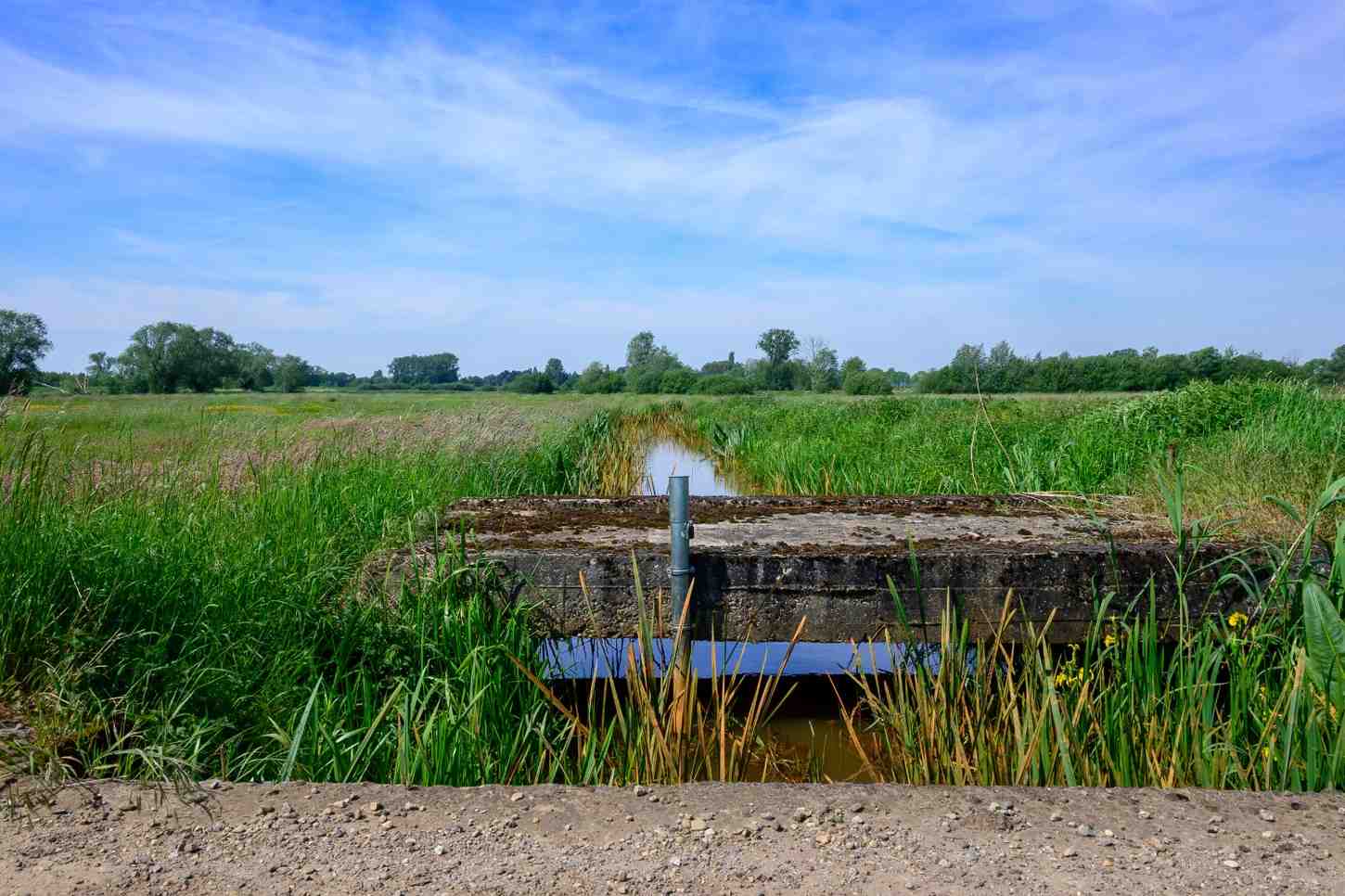
If you are investing seriously in farmland, orchards, or managed estates, you already know that irrigation is not just about pipes and pumps. The hidden infrastructure matters just as much. A Valve Box for Irrigation Systems is one of those quiet components that protects your rural water network from damage, misuse, and long-term deterioration.

In practice, most irrigation failures in India do not begin with the pump. They begin at exposed valves. Sun, silt, tractors, casual foot traffic, even curious hands. Over time, small neglect becomes an expensive repair.

That is why valve protection deserves more attention than it usually gets.

Why Valve Protection Is Non-Negotiable in Indian Agriculture

Across Maharashtra’s vineyards, Punjab’s large-format farms, or the gated farmlands near Hyderabad, irrigation layouts are increasingly sophisticated. Underground pipelines, automated flow control, and pressure-regulating valves. But without proper enclosure, these systems remain vulnerable.

A Valve Box for Irrigation Systems serves three clear purposes:

  • It shields critical control valves from physical impact.
  • It prevents soil ingress and contamination.
  • It allows controlled, secure access for maintenance.

In India’s climate, this becomes even more important. Intense summer heat expands soil. Monsoon flooding shifts ground levels. In black cotton soil regions, seasonal swelling can distort poorly designed enclosures. Plastic housings crack. Thin covers bend under vehicle load.

This is where engineered Cast iron valve boxes make a difference. They hold shape. They withstand weight. They age predictably.

If you are managing high-value crops or landscaped estates, durability is not optional. It is basic risk management.

Material Matters More Than You Think

You will often see cheaper polymer valve boxes marketed aggressively. They look neat on day one. In real agricultural conditions, that neatness fades.

A reliable valve box manufacturer in India understands load-bearing requirements, corrosion resistance, and rural usage patterns. Not all manufacturers design for tractors crossing fields or borewell chambers near unpaved roads.

As a seasoned cast iron manufacturer, Govind Steel focuses on structural integrity. Cast iron has natural compressive strength and dimensional stability. It does not warp easily under temperature stress. It handles accidental wheel loads far better than lightweight alternatives.

Then there is the advantage of precision-engineered Ductile Iron Castings. Ductile iron offers higher tensile strength and impact resistance compared to conventional grey iron. For irrigation chambers placed in driveways, farm pathways, or near service roads, this extra strength translates into long-term safety.

In practice, estates that invest once in quality iron enclosures rarely revisit that decision.

Where Valve Boxes Fit in Modern Irrigation Layouts

You might be using drip irrigation, sprinkler systems, or hybrid layouts with automation. Regardless of the technology, control valves are distributed strategically across your land.

These points need:

  • Surface-level access for technicians
  • Protection from tampering
  • Structural alignment with underground pipelines

A Valve Box for Irrigation Systems ensures the valve chamber remains aligned even if the surrounding soil shifts. In India, improper backfilling is commonly seen on smaller farms. Over time, this causes chamber tilting. When you choose well-designed Cast iron valve boxes, the structural weight itself stabilises placement.

For large farmhouses and premium agricultural estates, aesthetics also matter. Cleanly installed iron covers sit flush with finished surfaces, whether in landscaped lawns or paved farm roads.

It looks subtle. It feels intentional.

Choosing the Right Valve Box Manufacturer in India

You should not choose based only on price per unit. Look at:

  • Manufacturing standards
  • Casting quality
  • Machining accuracy
  • Coating and corrosion protection
  • Custom sizing capability

An experienced valve box manufacturer in India typically offers options in both traditional cast iron and advanced Ductile Iron Castings, depending on load class and application. Ask about testing protocols. Ask about thickness. Ask about anti-corrosion treatment suitable for groundwater exposure.

As a long-established cast iron manufacturer, Govind Steel serves multiple infrastructure segments. That cross-industry experience shows in their irrigation products. Agricultural needs are different from urban municipal requirements, but structural reliability remains the same principle.

If you are developing farmland in Gujarat, Rajasthan, Maharashtra, or parts of North India where soil salinity can accelerate corrosion, protective coating quality becomes especially important. A serious valve box manufacturer in India will guide you honestly.

Cast Iron Valve Boxes Versus Temporary Alternatives

It is tempting to treat valve chambers as minor expenses. Many landowners do. Later, they discover cracked lids, misaligned chambers, and blocked valves after one monsoon cycle.

Well-made Cast iron valve boxes resist:

  • UV degradation
  • Mechanical shock
  • Seasonal soil movement
  • Repeated opening and closing

They also offer better security. In certain rural belts, exposed brass valves attract theft. Iron covers with secure seating reduce that risk.

The difference between ordinary castings and high-grade Ductile Iron Castings becomes clear under impact. Ductile iron bends slightly before failure. Grey iron tends to fracture. If you expect occasional vehicle traffic over valve points, this distinction matters.

An experienced cast iron manufacturer understands load classes and recommends accordingly. Not every farm needs heavy-duty specifications. But premium estates often do.

Practical Considerations Before Installation

In practice, good results come from attention to small details:

  • Proper bedding and levelling
  • Compacted backfill
  • Correct cover alignment
  • Drainage planning around the chamber

Even the best Valve Box for Irrigation Systems will underperform if installed casually. Engage a contractor who understands irrigation infrastructure, not just general masonry.

Also, plan valve positions thoughtfully. Avoid placing them in low-lying zones prone to water stagnation. Even corrosion-resistant Cast iron valve boxes benefit from smart placement.

If you are building new irrigation networks, discuss valve box specifications early, not as an afterthought.

FAQs

  1. What is the lifespan of cast iron valve boxes in Indian conditions?
    With proper installation and coating, they commonly last 15 to 25 years.
  2. Are Ductile Iron Castings better than regular cast iron?
    Yes. They offer higher strength and impact resistance, especially under load.
  3. Can valve boxes handle tractor movement?
    Heavy-duty cast iron valve boxes can be designed for load-bearing use.
  4. Do valve boxes require maintenance?
    Minimal. Periodic inspection for alignment and debris cleaning is sufficient.

Protecting your irrigation network is not about overspending. It is about building once and building well. If you are planning large-scale agricultural development or upgrading an existing estate, it helps to speak with an experienced valve box manufacturer in India who understands rural infrastructure realities. A conversation with a trusted cast iron manufacturer like Govind Steel can bring clarity on the right Valve Box for Irrigation Systems for your land and usage conditions.

by webmanager webmanager

Understanding the Importance of Wheel Counter Weight

The importance of wheel counterweight is extremely crucial when it comes to the field of mechanical engineering and automotive design. These parts play an indispensable role in the balance, stability, and even the service life of a wide variety of machinery and vehicles. The counterbalance weights are produced and used in many parts of the globe, particularly in industrial centres such as Kolkata, which is famous for its foundry industry. In this article, we explore the wheel counter weights concerning their counterbalance weights, their manufacturing procedures, and their influence on the performance of machines in the major casting foundries like Govind Steel Company Limited in Kolkata.

Know About Wheel Counter Weight

A wheel counterweight is a device which consists of an attached mass on a wheel or a rotating body to facilitate balance on the system to achieve flawlessness. Acceleration gives rise to centrifugal force and vibrations, which loosen the balance of rotating parts and cause many impacts, like vibrations on the axis, wear out of machines and mechanical breakage of machines. Thus, with the help of wheel offset weights, the efficacy and safety of the machines in operations are increased. 

The Importance of Wheel Counter Weight 

To get a proper grasp of the value of industrial machinery and automotive systems with power-packed wheel counter weights, it is essential to understand the functional benefits of it. Wheel counter weights not only enhance the performance of machinery and reduce operational expenditure but also pave the way for an effective balance and efficiency. 

Let’s take a quick look at the pivotal reasons that explain the application of wheel counter weights and making the casting foundry work excellent for diverse industries. 

  • Improves operational efficiency – Through the help of balanced wheel weights, it enables to reduce the energy losses because of the vibrations. And this leads to improved fuel efficiency in vehicles and reduced power consumption in every type of machinery. 
  • Prolonged equipment lifespan – Wheel counter weight minimises the undue stress on other components and bearings, which helps to extend the service life of the equipment. 
  • Quality and safety assurance – The presence of a properly balanced wheel helps to prevent unexpected failures of the machinery and ensures to deliver high quality performance along with safety measures for the machinery and operators.  
  • Cost efficient – Definitely, it reduces the expenditure for maintenance, due to which longer equipment life enables saving costs over time. 

In this manner, it can be comprehended that the use of wheel counter weight is beneficial and enables the offering of profitability for the casting foundry. 

Manufacturing of Wheel Counter Weights in Kolkata 

India’s prominent industrial city, Kolkata, acts as a host for a number of prestigious foundries which make wheel counter weights.  

Govind Steel Company Limited stands tall with an experience of more than six decades. Govind Steel has emerged as one of the leading casting foundries in Kolkata. This company is located in Rishra, near Kolkata, has an installed capacity of 24,000 MT for Grey and Ductile Iron Castings and possesses some of the heaviest castings, including bottom plates, counter weights, and ingot moulds. Govind Steel has been awarded a Star Export House for its exports from India.

FAQs

  1. Are the wheel counter weights important in vehicles?

Wheel counter weights are important in vehicles as it is made for perfect balance in the wheels, which prevents vibration and focuses on smooth driving in vehicles. Moreover, it also reduces the wear on suspension components for a seamless drive. 

  1. Do the imbalanced wheels affect the fuel efficiency of the engine? 

Yes, of course, the imbalanced wheels have the potential to cause the engine to work harder than usual, which may lead to increased fuel consumption and reduce the functional efficiency. 

  1. How often does the wheel balancing need to be checked? 

The wheel balancing needs to be checked every 5,000 to 10,000 kilometres while travelling. Another way to check is whenever you experience uncertain vibrations or after you replace the vehicle’s tire, it’s better to check for a proper drive. 

Conclusion

The evolution of industries across the nation values the importance of wheel counter weights for purposes which help enhance the performance of stabilising equipment, maintain safety, and lower expenses. The ever-growing demands of international markets lead to industries like Govind Steel Company Limited to fulfil unending purchases domestically and overseas, and thus sustaining the ever-growing wheel counter weight market. You can reach out to the professional team at Govind Steel for a better look at wheel counter weights that can resolve your queries.