Railway infrastructure rarely gets the luxury of glamour. Most of the engineering that keeps trains running safely sits quietly beneath the rails. Base plates, rail chairs, and fastening components rarely attract attention unless something fails. That silence is usually a good sign.
Across the railway network in India, Cast Iron Track Fasteners continue to play a steady role in maintaining track stability. Materials have evolved over the decades, and newer fastening systems are used in modern tracks. Yet cast iron remains widely trusted for many railway components. Not because it is old, but because it still solves several mechanical problems extremely well.
Manufacturers such as Govind Steel continue producing cast iron railway components because the material meets real operational needs on the ground.
The Mechanical Role of Track Fastening Systems
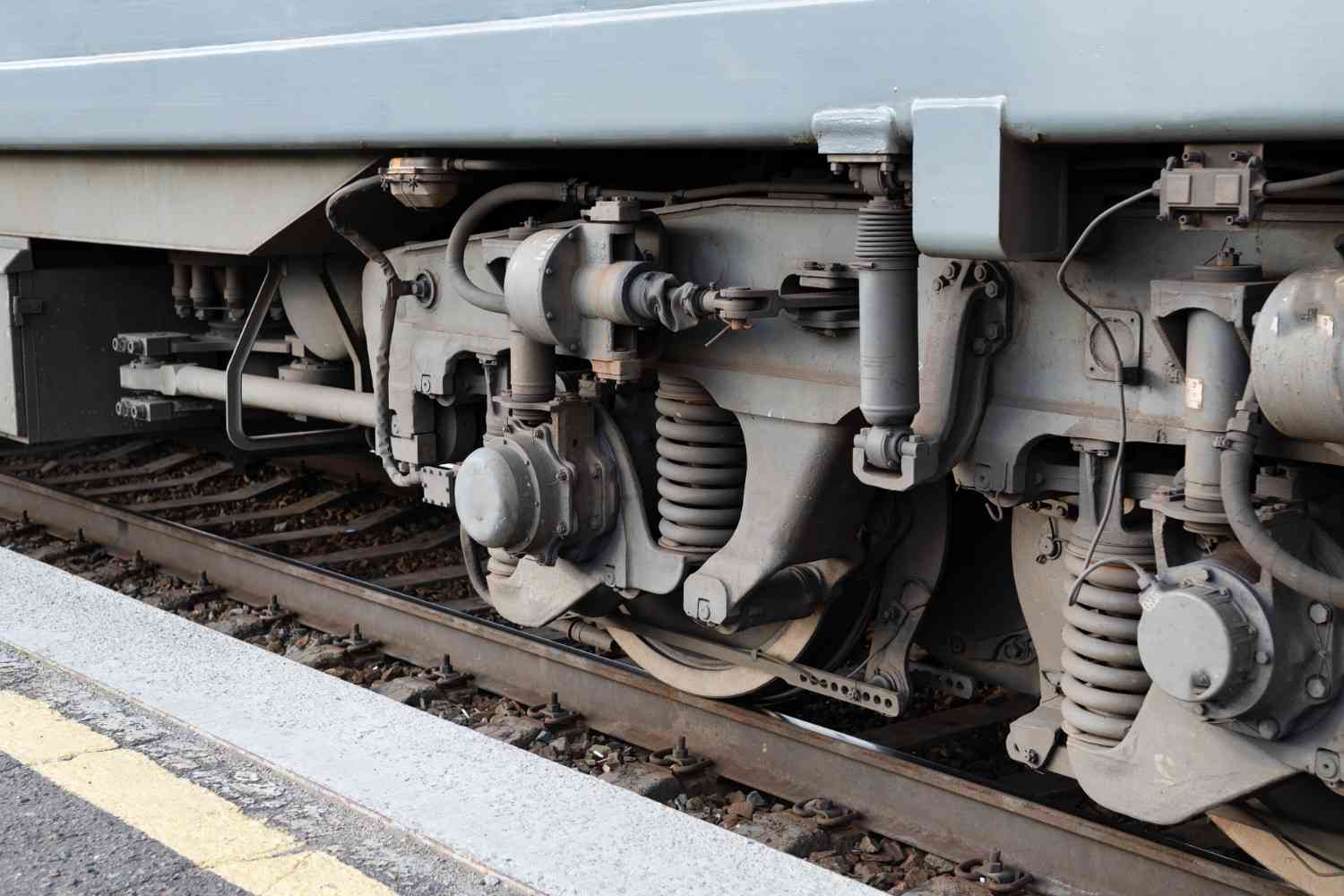
Railway tracks carry immense loads. Each passing train transfers thousands of kilograms of force through the rails, into the base plates, and finally down to sleepers and ballast.
Track fasteners are responsible for keeping everything aligned. They hold rails firmly in position while allowing slight controlled movement caused by temperature changes or vibration.
In practice, the base plate is one of the most important parts of this system. It sits between the rail and the sleeper, spreading the load across a wider surface.
Without a strong base plate, the rail would gradually press into the sleeper material. Over time, that leads to track deformation, misalignment, and higher maintenance.
That is where Cast Iron has continued to prove its reliability.
Load Distribution That Protects the Track Structure
One reason cast iron remains preferred is its excellent compressive strength. Railways require materials that can handle massive vertical loads without deforming.
Cast iron base plates distribute axle loads evenly across the sleeper surface. This reduces concentrated pressure at a single point and protects the sleeper from long-term damage.
In Indian railway conditions, where freight trains often carry heavy loads and travel long distances across varied terrain, proper load distribution becomes even more important.
When the base plate spreads the load effectively, the ballast bed beneath the sleeper remains stable. That small detail contributes to smoother operations and lower track maintenance.
Vibration Damping That Steel Cannot Always Match
Trains generate continuous vibration. Every wheel passing over rail joints or curves sends small shocks through the track structure.
Materials react differently to these vibrations. Steel is strong but tends to transmit vibration rather than absorb it.
Cast iron behaves differently. It naturally dampens vibration due to its internal microstructure. This property helps absorb shocks created by moving trains, braking forces, and track irregularities.
In practice, this damping effect reduces stress on surrounding components such as fasteners and sleepers. Over long operational cycles, that reduction in vibration can improve the lifespan of several track elements.
Performance Across India’s Diverse Climate
Rail infrastructure in India operates under extreme environmental conditions. Tracks run through coastal humidity, desert heat, heavy monsoon rainfall, and cold mountain regions.
Materials used in track components must tolerate constant exposure to moisture, temperature shifts, and airborne contaminants.
Cast iron performs well in such environments because of its natural corrosion resistance. While no metal is completely immune to environmental wear, cast iron tends to develop a protective surface layer that slows further corrosion.
This resilience makes it practical for railway components that remain outdoors for decades with limited intervention.
Dimensional Stability Under Pressure
Railway fastening systems must maintain precise alignment. Even small dimensional changes can affect track gauge and train stability.
Cast iron components are known for their dimensional stability under compressive loads. Once properly cast and machined, they hold their shape even under continuous heavy pressure.
That stability is important for maintaining consistent rail positioning. When base plates remain structurally stable, the fastening system continues to function as designed.
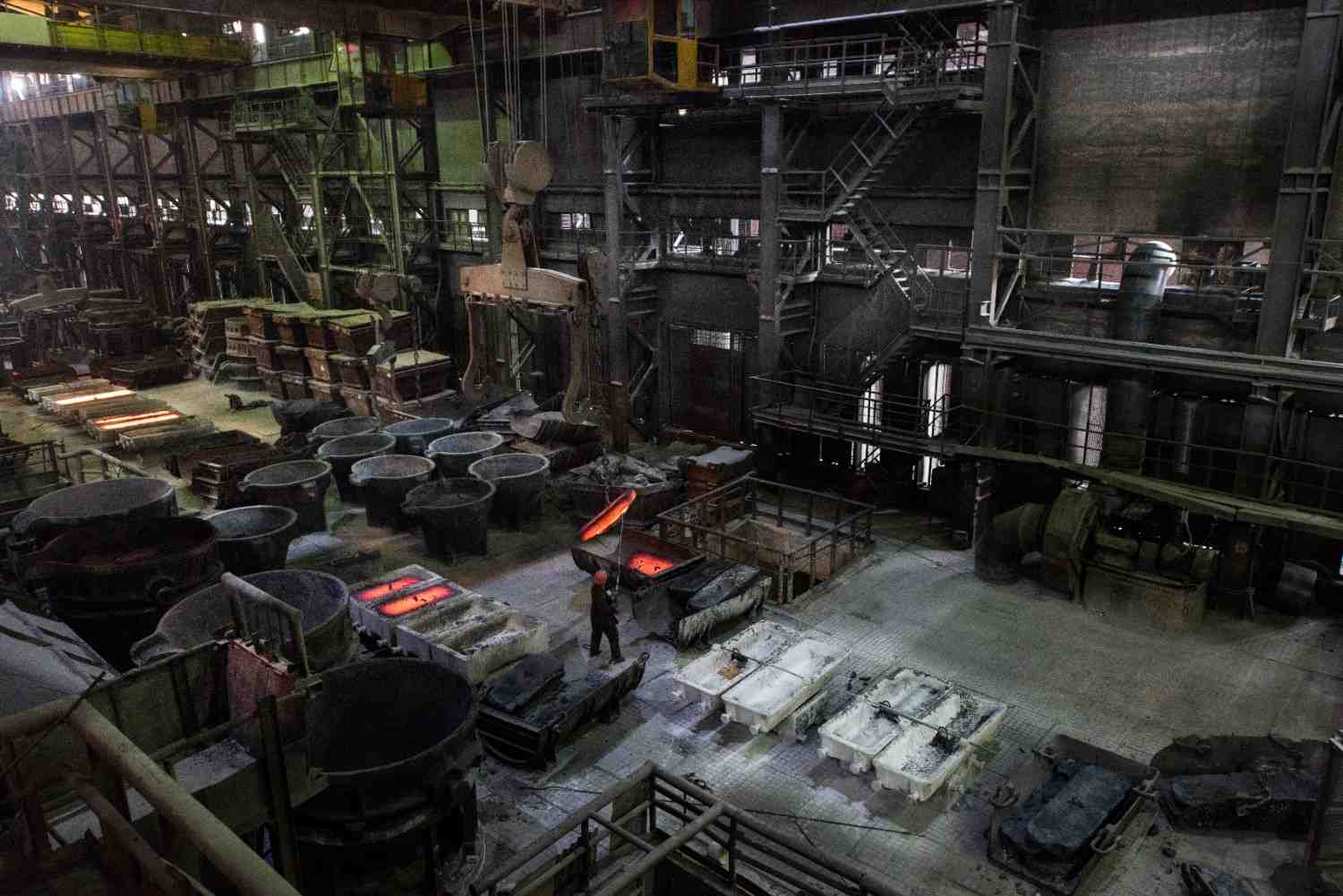
Manufacturers producing Ductile Iron Castings and traditional cast iron railway components pay careful attention to casting quality and material composition. These factors influence strength, durability, and long-term reliability.
A Practical Balance Between Performance and Cost
Railway engineering decisions rarely focus on strength alone. Cost efficiency always plays a role, especially when infrastructure spans thousands of kilometres.
Cast iron offers a practical balance. It delivers high compressive strength and durability without the manufacturing costs associated with some high-grade steel alternatives.
For certain railway fastening components, this balance makes cast iron a sensible choice.
This is one reason why many cast iron manufacturer facilities in India continue to produce rail infrastructure components alongside other industrial castings. The demand remains steady because the material still meets technical requirements effectively.
Where Cast Iron Fits in Modern Railway Systems
Railway technology has evolved. Many modern tracks use concrete sleepers and advanced elastic fastening systems.
Yet older track structures remain operational across large sections of the network. Even within newer systems, cast iron components still serve specific roles where their mechanical properties are advantageous.
Railway infrastructure rarely changes overnight. Instead, it evolves gradually, integrating new technology while retaining proven materials that continue to perform reliably.
That quiet continuity explains why cast iron remains relevant.
A Material That Still Earns Its Place
Materials survive in engineering for one reason. They work.
Cast iron has been part of railway construction for generations, not out of habit but because it delivers consistent performance in demanding conditions. It handles heavy loads, absorbs vibration, resists environmental stress, and remains cost-effective.
Manufacturers such as Govind Steel continue producing railway castings because infrastructure projects still rely on these characteristics.
Anyone exploring Cast Iron Track Fasteners or related railway components may find it useful to speak with experienced Indian casting specialists. Understanding material behaviour, manufacturing quality, and application requirements often makes the selection process clearer.
FAQs
1. Why is cast iron used in railway base plates?
Cast iron provides high compressive strength and distributes train loads evenly across sleepers, helping maintain track stability.
2. Do modern railways still use cast iron fasteners?
Yes. While newer systems use elastic fastenings, cast iron components remain common in many track structures and maintenance applications.
3. What advantage does cast iron have over steel in railway fasteners?
Cast iron offers better vibration damping, which helps absorb shocks created by moving trains.
4. Are ductile iron castings used in railway components?
Yes. Ductile iron castings are often used where additional toughness and strength are required in track components.