
by webmanager webmanager

Challenges and Opportunities in the Foundry Sector

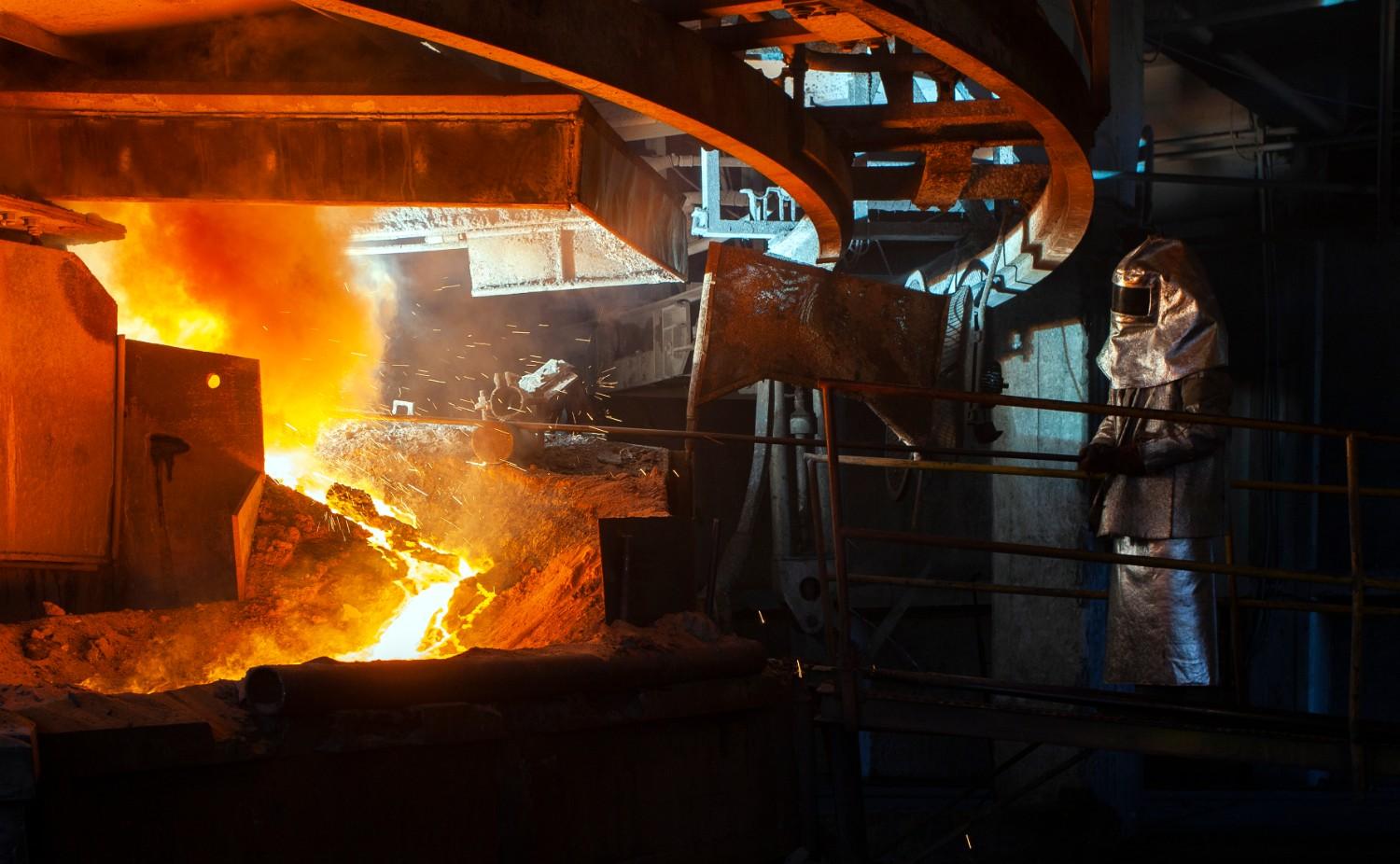
The foundry industry in India has always remained a strong backbone of manufacturing, working behind several industries that keep the economy rolling. Right from municipal infrastructure to automotive components, foundries manufacture parts that often go unnoticed yet remain ever-important. But the same is not true anymore, since a shift is noticed in the foundry industry trends in India.

For manufacturers like Govind Steel, which operates in one of the most developed casting clusters in India, the changing trends are not merely theoretical in nature. They can be observed on a daily level.

The Existing Situation in the Indian Foundry Industry

India is the second-largest cast iron manufacturer globally, and these producers are found in West Bengal, Maharashtra, Tamil Nadu, and Gujarat. The casting industry in Kolkata, in particular, has a long tradition of exporting and local sales of its products, namely cast iron and ductile iron components. In this case, the tradition presents both advantages and disadvantages.

Customers are also looking for a certain level of tolerance, quality, and strict adherence to environmental standards. However, being price-sensitive is a strong trait of customers in India as well. This is where many foundries find their most challenging points.

Critical Challenges in the Foundry Industry

  • Skilled Workforce Shortage

One of the most prevalent problems observed in foundries in India is the presence of an ageing workforce. The traditional know-how of moulding and melting is still available, but fewer young people are entering this occupation. This becomes an even more serious problem when automated systems are implemented. Experienced operators who know metallurgy as well as control systems are hard to find, especially in non-urban cities.

  • Increased Material and Energy Prices

Prices of raw materials, prices of iron and alloys keep changing from time to time. Energy prices are also important, although India does not rely on them as much as Europe does. Inefficient melting facilities are energy guzzlers, which can easily affect prices. When it comes to larger productions of cast iron, all these factors can easily impact prices.

  • Global Competition and Imports

Indian casting units face competition not only amongst themselves but also amongst cheaper imports sourced from other nations, such as China. Global customers scrutinize prices aggressively, going so far as to ignore the cost of compliance in the target nation when making comparisons.

  • Environmental Compliance

Tougher regulations for emission and waste management are being enforced in India. Though regulation is required, implementing it involves investing in pollution reduction technology and sand recovery and clean melting technology, which smaller foundries in Kolkata may find difficult to invest in and adopt immediately.

  • Technological Investment Gap

Automation, simulation software, and quality control through data are not discretionary anymore in various industries. However, the adoption of such technology is not without expenses in terms of investment and training. There is apparently a gap between the traditional and modern perspectives that can be observed in foundry groups.

New Opportunities Worth Noticing

Although all of these are factors posing challenges to the foundry industry, trends in India are pointing out clearly to an opportunity.

  • Automotive and EV Demand

The automotive industry is experiencing a transition towards the introduction of lightweight, strong, and precise parts. The hybrid and electric vehicles currently on the market are still utilizing castings in terms of structural and safety parts. High-quality Ductile Iron Castings are in great demand once again, especially where strength-to-weight ratio considerations are taken into account.

  • Digitale Wandlung

Automation, AI-driven defect identification, and online workflow solutions are enhancing yield and quality. Partial automation can lower rejection rates greatly. In the Indian scenario, where worker variability is typical, the above solutions can offer much-needed consistency to the processes.

Infrastructure Development in the Emerging Markets 

Infrastructure development activities in India and the increasing demand in other Asian markets are setting the pace for the demand for pipes, fittings, and mechanical components. Foundries that offer quality and time-driven deliveries are therefore poised to reap the benefits.

  • Sustainability and Competitive Advantage 

Green processes are no longer just for compliance. Energy-saving furnaces, recyclable materials, and improved waste management help reduce costs in the long run. It also increases trust with institutional customers and export customers.

  • Roles of the Government

Initiatives such as “Make in India” have ensured that indigenous procurements increase. There is also a growing tendency among projects, whether government or private, to seek trustworthy suppliers from India who can deliver qualitative material and provide post-sale services.

  • Real-world Tips on Long-term Success

Through local development projects and industry debates, some approaches have emerged as viable and attainable.

  • Invest in training and development efforts, especially for digital or automated systems.
  • Use technology in stages, starting with quality-critical areas
  • Focus on High Value and Precision Castings Rather than Pure Volumes
  • Energy efficiency before capacity expansion
  • Develop and sustain relationships with raw material and energy providers.

Govind Steel, for instance, has established its credentials by being focused on consistency, process, and understanding the demands of its customers rather than being driven by short-term volumes.

Where the Industry Is Heading

Looking ahead, foundry industry trends in India indicate that there is an unmistakable line dividing those that will change and those that will stand still. The customers are becoming increasingly informed, and audits and demands for higher-quality outputs continue unabated.

FAQs

Q1. Why are the foundries of Kolkata so competitive in the present scenario?

They have the advantages of experienced talent and talent pipelines, supply chains, and access to the infrastructure market in eastern India.

Q2. Are Ductile Iron Castings replacing traditional cast iron?

Not completely, but ductile iron has advantages in situations where greater strength, hardness, impact strength, and accuracy are desired.

Q3. What is the role of automation in Indian foundries?

It eliminates defects and ensures consistency while reducing dependence on highly skilled personnel.

Q4. Is it mandatory for all foundries in India to comply with environmental requirements?

Yes, the environmental standards for pollution control and waste management have been applicable to all operational foundries, independent of their size.
by webmanager webmanager

Why Municipal Authorities Prefer Cast Iron Over Other Materials

In the Indian scenario, municipal infrastructure has to withstand intense pressure. This can include extreme weather, improper drainage systems, and heavy flow of traffic on the major roads of India. If this was not enough, their durability also has to withstand extreme weather conditions. This makes it understandable why, in India, the municipal government has been so keen to invest in cast-iron infrastructure for many years. The advantages of cast iron for infrastructure are not hypothetical.

Whether talking of manhole coverings, valves, or surface boxes, until now, cast iron has been the material that can accommodate strength, lifetime, security, and cost requirements simultaneously.

Power Suited to Indian Roads and Traffic

Load-carrying ability is one simple reason why the use of cast iron is preferred. Indian roads are not subject to equal weighting. On the same side of the road, two-wheelers, buses, overloaded trucks, and construction equipment are seen. It performs quite well in this aspect.

Both grey iron and ductile iron possess strong compressive strength. Because of this, the covers as well as the frames are securely positioned without bending or breaking down as a result of constant stress. Cast iron manhole covers, regardless of the location, whether in metropolitan cities or in small municipalities, will be positioned in the same manner even after several years of continuous usage.

Long-term Cost Savings through Durability

City budgets have long cycles. Frequent replacements of infrastructure contribute to disruptions and additional expenditure. Though the cost of components of the cast iron pipeline is higher compared to those of plastics or composites, the long-term expenditure is also lower.

Cast iron has a life of several decades with little maintenance. Cast iron does not warp when exposed to heat, break down due to exposure to sunlight, and has good resistance to cracking from pressurized force. In economic terms, this is a sensible choice for civic authorities, who may be managing thousands of entry points. In India, a country where most repairs tend to drag on beyond scheduled dates, this translates into money-saving and minimizing public inconvenience.

Performance Under Difficult and Wet Conditions

Sewage pipelines, storm water drains, and underground tunnels always work in aggressive environments. Moisture, waste, chemicals, and temperature variations are some of the characteristics. Cast iron resists in such environments.

With appropriate surface treatment and subsequent coatings, cast iron is corrosion- and surface wear-resistant. Cast iron is thus regularly used as Manhole Covers in India, which is dependent on coastal cities, flood sites, and regions of high water table levels. Lighter materials will deteriorate earlier or not remain structurally sound.

Vibration and Noise Control in Busy Areas

One of the lesser-known but rather useful advantages of the Chevrolet Celta is its ability to dampen vibrations effectively because grey cast iron can absorb vibrations much better compared to other modern metals. In the case of busy roads, this makes a significant difference since it prevents rattling noises, the loosening of the frame, as

The cant engineering department finds that, compared with RCC covers, the presence of cast iron covers reduces noise. It further adds that for as long as a stretch of road has been in existence, there would not have been a quieter material than cast iron.

Flexibility in Design, Technology, and Manufacturing

Cast iron has good castability, making it simple to cast into complex molds. Cast iron finds application in municipal works where certain sizes, locking devices, or certain patterns and loading capacity are necessary.

The flexibility is useful for products like the Cast Iron Surface Box, chambers for the valves, and the custom-designed access covers. The companies can modify their designs according to local specifications and safety regulations without affecting their strength. The flexibility is particularly beneficial in the Indian context, where different regions have different infrastructure plans.

Relationship Between Sustainability and Material Selection

Issues of sustainability are slowly becoming a reality for the planning authorities in India. This can be supported by the use of cast iron, which is highly recyclable, thereby being usable for multiple cycles without losing its characteristics.

Cast iron parts are also recycled and melted at the end of their life cycle. Cast iron is a good alternative for municipalities looking for sustainable and durable solutions for their infrastructure and environment because it is recycled, and less material is needed as raw material for new production.

Fire Safety and Minimizing Public Risk

Another quality that is usually overlooked is the fire-resistant nature of the material. Cast iron does not give off toxic fumes, nor does it catch fire, even when subjected to intense heat. Such a factor is important, especially when set against the background of a densely populated urban setting.

Building infrastructure materials, electricity wiring, and transport nodes requires materials that can withstand a fire situation intact. Cast iron performs this function effectively.

Why Manufacturers are so Important When Considering Material Performance

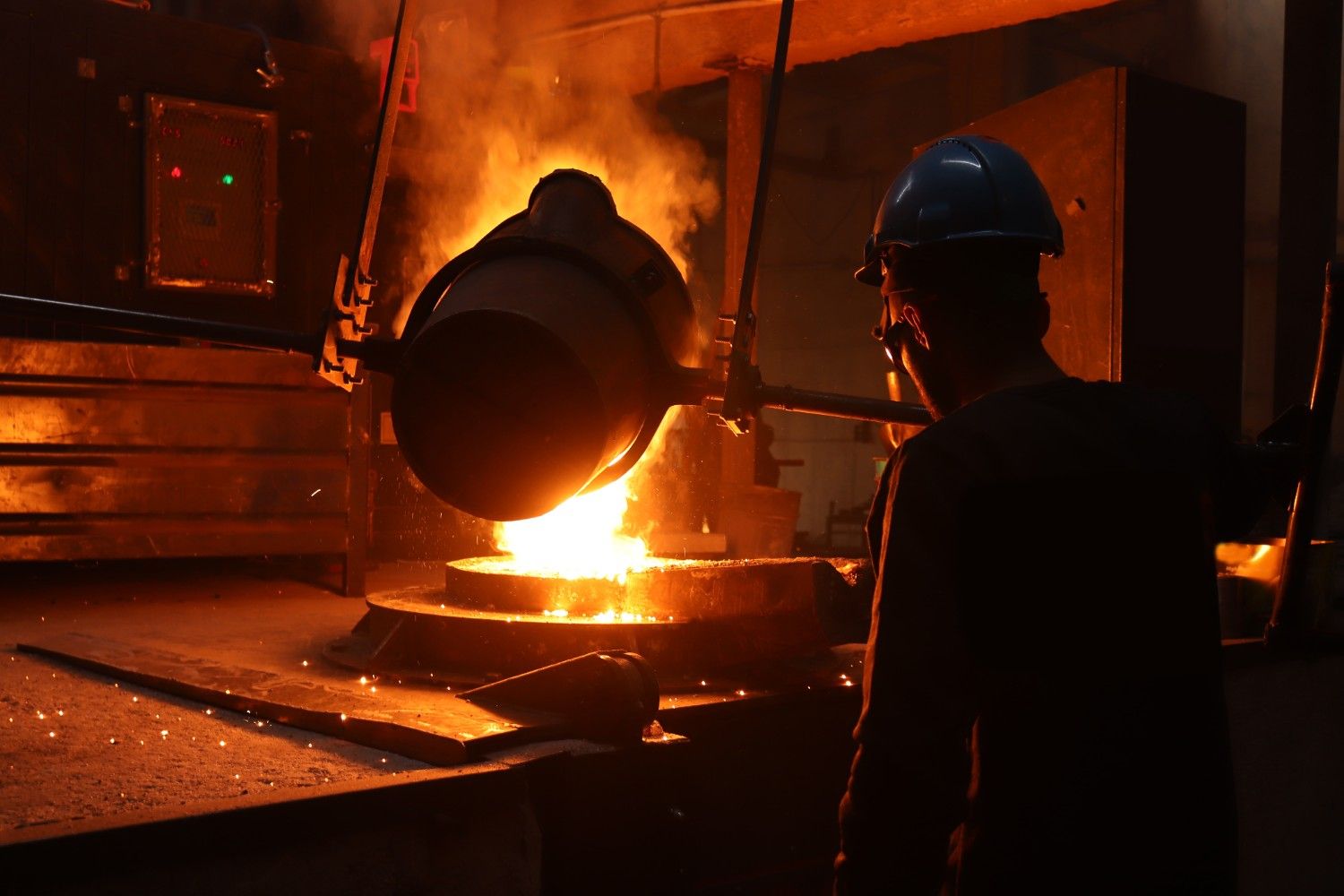
However, the quality of the material is only as good as the manufacturing process. A good valve box manufactuerer in India would know the standards of casting, the loading capacity, the coating, as well as the typical usages in the Indian environment. Suppliers like Govind Steel concentrate on supplying cast irons according to the needs of the municipality as well as the site conditions.

Right from dimensional precision to surface finish, skilled manufacturers help directly in creating safety and durability on the application side.

Deciding on Reliability Over Cost Savings

Cast iron is what the civic administration likes because it performs where it really matters. It resists the effects of weight, weather, vibration, fire, and time without constant repair. This is not what manufacturers will tell, but what has been observed in various cities in the country.

When it comes to planners, engineers, and contractors, the best option is often between proven performance and innovative variations. Cast iron is still winning trust through its performance.

If you are engaged in infrastructure development or procurement, talking to an expert Indian supplier such as Govind Steel may also help clarify infrastructure steel requirements and their costs before decisions are taken.

FAQs

  • Why are cast-iron manhole covers prevalent in India?

These can withstand heavily trafficked areas, are resistant to corrosion, and endure for several decades with little maintenance.

  • Is cast iron superior to composite materials in practical applications?

In the case of highly loaded and highly trafficked regions, cast iron acts more reliably for a longer time.

  • Are cast-iron surface boxes safe for use in Indian conditions?

Yes, they comply with the municipality and PWD requirements once they are properly manufactured.

  • Are cast-iron infrastructure products recyclable?

Indeed, cast iron is recyclable and can be used for sustainable urban development.