by webmanager webmanager

Difference Between Manhole and Inspection Chamber: A Detailed Guide

When designing an underground drainage or utility system, it’s important to know the difference between manhole and inspection chamber. Both are ways to get in. but they are different sizes, have different purposes, and need different kinds of structures.

Govind Steel, a leading cast iron manufacturer, makes high-strength castings. All that are widely used in municipal and industrial infrastructure. This makes them a trusted name among manhole foundries in India.

Let’s look at the differences between manholes and inspection chambers, also, how each one is important for underground systems.

What Is A Manhole?
Manhole and Inspection Chamber

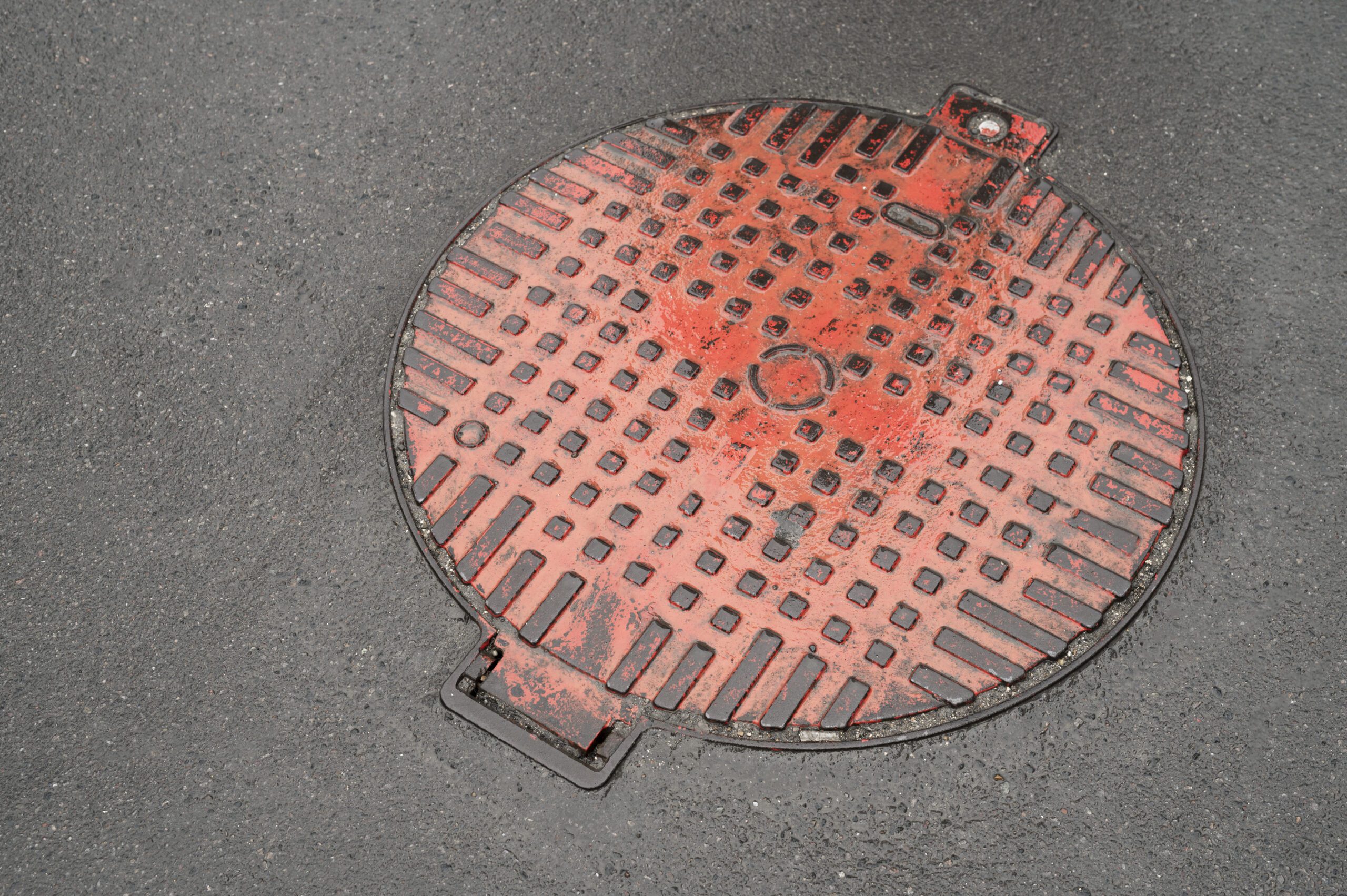
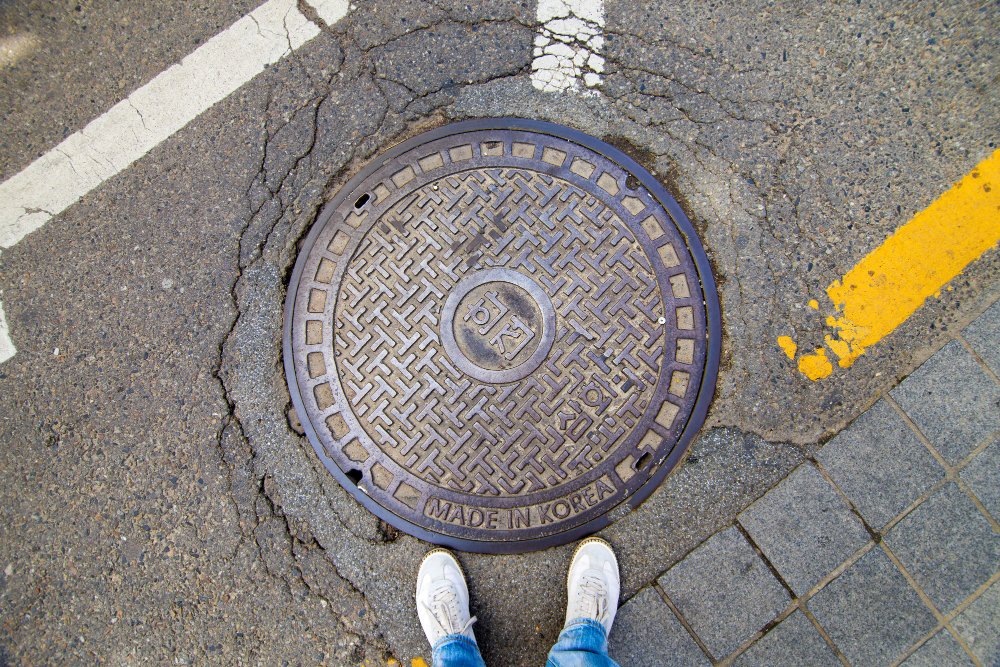
A manhole is a deep, vertical opening that lets workers get into underground networks to fix, to clean, and check them, as manholes are made to hold heavy loads and let people in, to clean. Especially in roads and industrial areas, where strong construction is needed.

Where Manholes Are Used

  • Roads, highways, and business districts
  • Systems for draining stormwater and sewage
  • Utility networks include things like communication lines, cables, and pipelines
  • Places where the direction, slope, or size of the pipe changes

Most manholes have strong cast iron covers on them. Companies like Govind Steel make high-performance castings that are made just for these tough jobs.

What Is An Inspection Chamber?

An inspection chamber, also known as an access chamber, is a smaller, shallower structure used to reach pipelines with tools or cameras. Unlike manholes, inspection chambers are not intended for human entry.

Where Inspection Chambers Are Used

  • Roads, highways, and business districts
  • Sewers and stormwater drainage systems
  • Utility networks include things like communication lines, pipelines, and cables
  • Changes in direction, slope, or pipe size

Most of the time, manholes have strong cast iron covers on them. Companies like Govind Steel make high-performance castings that are made just for these tough jobs.

Key Differences Between Manhole And Inspection Chamber

1. Depth And Size

Manholes are deep structures, often several feet below ground, allowing technicians to climb inside. Inspection chambers are shallow. And, usually up to 1 meter deep, suitable only for tool-based checks.

2. Purpose Of Installation

Manholes: Made so that people can get to important utility lines.
Inspection chambers: These make it easy to get to for cleaning, checking, and small repairs.

3. Load-Bearing Capacity

This is one of the biggest distinctions. Manholes, especially those on roads, have to be able to handle a lot of weight from cars. This is why trusted Indian manhole foundries like Govind Steel make heavy-duty cast iron covers.

Inspection chambers have lighter load requirements. Since they are typically installed in non-traffic areas.

4. Materials Used

Manholes need cast iron parts because:

  • Strong tensile strength
  • Very good at holding things up
  • Over time, it doesn’t rust

Govind Steel is one of the best companies that makes cast iron. All of these are used in both public and private infrastructure.

It depends on where they are and how they are used. The inspection chambers might use lighter materials, but they still need to be built well so they last.

5. Location And Placement

Manholes: Installed at major pipeline junctions, changes in slope, direction, and at regular intervals to allow maintenance workers access.
Inspection chambers: Installed closer to the surface, usually, at points where frequent visual checks are needed.

Why The Distinction Matters

Choosing the wrong structure can lead to system failures. Also to safety hazards, and costly repairs.

For Example

  • Placing an inspection chamber in a high-traffic area can lead to collapse.
  • Using a manhole where only small inspections are needed, and they can increase project costs unnecessarily.

Infrastructure planners and contractors depend on reliable cast iron components, which is why established manufacturers like Govind Steel remain essential to large and small projects across India.

Final Thought

Understanding the Difference Between Manhole and Inspection Chamber is crucial for designing safe, efficient, and long-lasting underground systems. While manholes provide full access for heavy-duty maintenance, inspection chambers offer simpler, tool-based entry for routine checks.

Both structures serve unique functions and must be chosen, based on location, load requirements, and maintenance needs. Along with high-quality cast iron parts from trusted Manhole foundries in India. Like Govind Steel, infrastructure projects can achieve superior strength, reliability, and long-term performance.

Choosing the right component today ensures smoother operations. It also reduces maintenance costs in the future.

FAQs

Are inspection chambers and manholes the same thing?

No, people can go into manholes. But inspection chambers are only meant for tools to check things.

Which one is more powerful?

Manholes are much stronger because they are made of heavy-duty cast iron and have to hold up under heavy traffic.

Where should you put inspection chambers?

They work best in residential areas, gardens, and places with little traffic where only quick inspections are needed.

What makes cast iron better for manholes?

Cast iron is very strong, long-lasting, and resistant to rust. These are all important qualities for underground infrastructure.

Who makes long-lasting parts for manholes in India?

Govind Steel is one of the most trusted names in India. Mostly, when it comes to manhole foundries.
by webmanager webmanager

How to Install a Manhole Cover: A Complete Guide

Manhole covers are very important for making sure that people can safely get to underground utilities like sewage lines, drainage, and electrical systems. If you want your manhole cover to last a long time and be safe, you need to know how to install it correctly. This is true for projects in cities, industrial parks, and housing developments.

Why Choosing The Right Manhole Covers Matters

Install a Manhole Cover

Choosing a high-quality manhole cover will make sure that the structure stays stable. They can handle heavy loads. Also, the quality ensure it won’t rust or wear down over time.
As reputable suppliers of Manhole covers India, such as Govind Steel, make castings that meet international standards. Also, making them reliable for heavy-duty use.

Steps To Install A Manhole Cover

To keep a manhole cover in place for a long time, it must be put in carefully, on the right kind of ground, mostly, in a way that meets safety standards.

Govind Steel and other trusted Indian manhole foundries make cast iron covers that are very good, and all have a built-to-last quality. But they also need to be installed correctly to work well. It’s important to know the steps that need to be taken. That too, before starting the process. Such as getting the site ready and securing the frame. This will help to set up the manhole safely and reliably.

1. Prepare The Installation Site

Before putting the manhole cover on, make sure the area around it is free of trash. Also free of dirt, and broken concrete.

2. Position The Manhole Frame

Put the frame on top of the hole in the manhole. To make sure it lines up with the access shaft. It should sit evenly on the bedding mortar or concrete. So that the weight is spread out evenly.

3. Apply Bedding Mortar

There is a strong layer of mortar or concrete under the frame. To make sure the foundation is strong. To avoid gaps, the mortar should be spread out evenly. Allow the mortar to partially cure for better adhesion.

4. Level The Frame

To keep the cover from rocking. In order to make sure the frame is perfectly level with a spirit level. This helps keep the surface smooth so that traffic can move safely over it.

5. Secure The Frame

Once properly aligned, secure the frame, and you can do this by using anchor bolts or by embedding it in concrete. This allows sufficient curing time. That too, before placing the cover.

6. Install The Manhole Cover

After the base and frame are fully set, place the manhole cover into the frame. Also, ensure it fits snugly. All that without excessive friction.

Govind Steel’s cast iron covers are designed for precise fitment. All by ensuring perfect alignment, and long-lasting performance.

7. Final Finishing

Make sure the cover fits snugly on the road and clean up the area around it. Or even with pavement surfaces. Test the load-bearing by applying moderate pressure or running lightweight traffic over the applicable areas.

Why Choose Govind Steel?

Govind Steel is one of the oldest foundries in India that makes manholes. It makes castings of ductile iron and cast iron. All of them are very strong to be used in infrastructure projects.

Their years of experience, careful design, and strict testing make their name. This ensures their manhole solutions are strong. And can provide solutions for a wide range of problems.

Final Thought

Make sure the manhole cover is put on correctly if you want to keep people safe. This will also make sure that utility systems that are underground are always easy to get to.

Every step is important. Especially for long-term performance. That too, from getting the base ready to making sure the frame fits perfectly.

Choosing high-quality cast iron covers from well-known Indian manhole foundries. Thereby, companies like Govind Steel are a reliable name for the manhole installation job.

FAQs

What kind of materials are used to make manhole covers?

Cast iron and ductile iron are the most common because they are strong and last a long time.

How long does installation take?

Usually it takes a few hours. But it depends on how long the mortar needs to cure. Also, on how well the site is prepared.

Are manhole covers strong enough to handle a lot of traffic?

Yes, as long as they come from reputable companies like Govind Steel.

How can I tell if the cover is on right?

It should fit snugly against the frame and not rock.

by webmanager webmanager

How to Install a Recessed Manhole Cover?

A recessed manhole cover can be set flush with surrounding areas using paver stones, poured concrete, or tiles. Walkways, patios, and even driveways are the greatest places for these kinds of recessed coverings because they have controlled aesthetics.  Installing a recessed manhole cover requires the same procedures as other recessed manhole covers to ensure its usefulness, longevity, and aesthetic appeal. 

Installation Instructions for Recessed Manhole Covers: 

Recessed Manhole Cover

Step 1: Prepare the Area

Prior to starting an installation, make sure the workspace is clear and organized. Carefully remove the existing manhole cover and frame. The cover and frame repairs require some focus. Manhole cover mount dimensions if recessed checks need; safety and cover durability is enhanced.

Step 2: Ensure a Level Base

A stable framework is made up of compressed flat solid materials. Manhole frames require mortar or concrete to secure them properly. Any inconsistencies in leveling will cause the cover to rock or sit improperly. Make sure to check the level with a spirit level before proceeding to the next step.

Step 3: Install the Frame

Set the new frame in position. Ensure that it is perfectly aligned with the adjacent surface. Use mortar to seal the edges to ensure it is held securely in position. The frame should be aligned with the surrounding surface so that the recessed manhole cover sits securely without the risk of tripping.

Step 4: Allow Mortar to Set

Be sure to allow the mortar to set for the prescribed period of time which is often 24 hours. This part is important to follow for the reason that progressing too early may cause the frame to shift. This misalignment could lead to more complicated repairs down the line.

Step 5: Place the Recessed Tray

The section of the manhole cover that will receive the paving or concrete is the recessed tray. Set the tray in the frame. Ensure it is balanced and can be easily lifted out for maintenance, if necessary.

Step 6: Fill the Tray

Utilize the same material from which the tray’s surface is crafted from. If your driveway is paved, use matching pavers; if it is tiled, use the same tiles. This guarantees that the recessed cover will blend beautifully with the surrounding surface. Make sure that the materials are placed flush to the surface. A small amount of mortar should be placed to hold the pavers or tiles in the tray.

Step 7: Finishing Touches

Once the filling material cures, borders need cleaning to remove excess mortar or debris. Confirm that the recessed cover gets lifted without damaging the surface fill. In case the cover feels heavy post filling, inserting lifting keys may be required for easier removal during maintenance. If the cover is too heavy after filling, you may need to insert lifting keys for easier removal during maintenance.

Important Tips for a Perfect Installation

  • Select Appropriate Size: Make sure you measure precisely when buying recessed manhole covers.
  1. Material Quality: Durable trays and frames that can withstand heavier loads result in less frequent maintenance.
  2. Blend Surface Material: Mismatched surface materials are avoided while achieving the desired smooth finish.
  3. Assume Appropriate Drying Duration: Installation weak spots and misalignment are often consequences of rushing.
  4. Check Approachability: Check that the cover is accessible since maintenance work might require more effort to reach covered areas.

Common Mistakes to Avoid

  • Uneven Bases: Uneven bases lead to a lack of stability. 
  • Inappropriate Cover Filling: An improperly filled cover will cause the cover to stand out rather than blend in. 
  • Neglecting to Allow for Setting Time: Weak mortar will not adequately support the frame in position.

Conclusion

Correct positioning of a set-in manhole cover involves more than simply placing it where it is intended to go; it entails careful planning to ensure precision during the placement and the finishing touches. The cover assists in making the property visually appealing and allows easier access to maintenance services. At Govind Steel, we understand that quality and adherence to parameters are of utmost importance.

Being one of the leading producers of cast iron goods, we manufacture recessed manhole covers which adhere to the required standards of any industry. They are easy to install, last a long time, effortlessly surpass a phenomenal load-bearing capacity, and are easy to fit. For any residential, commercial, or industrial purpose, the products from Govind Steel are not only strong and functional, but also combines incredible aesthetics, which adds to the timeless beauty of the installation.

FAQs:

Q1: Can I do the recessed manhole cover installation by myself?

A1: A basic level of masonry skills means that you can perform a self-installation processes. Nonetheless, experts provide certainty around more complex workings like precision fitting, and will yield a more aesthetically pleasing and durable result.

Q2: How do I choose the recessed manhole cover that will best fit my needs?

A2: Measurement of the openings coupled with selection of a proportional cover that meets the required load specifications will ensure that you achieve the desired results.

Q3: Is it possible for me to remove the cover post installation if I would like to?

A3: Tracked recessed manhole covers which are cost effective can be fully dismantled and lifted for servicing, meaning that maintenance is always easy no matter what servicing is required.

by webmanager webmanager

What are the Differences between a Manhole and an Inspection Chamber?

In construction and other areas of public and underground works, access structures have a critical function for the servicing and inspection of sewers, drainage, and utility lines. One of the two frequent components for this purpose is named Manhole and Inspection Chamber. Both components are different in dimensions, design, functionality, and form, yet they serve the same purpose of providing access to an underground drainage system. Each set of differences, standalone, serves a purpose which is useful for civil engineers, utility planners, and developers. 

Some of the crucial foundries which manufacture these components are Govind Steel Company, which is one of the top producers of grey iron and ductile iron castings in the country. Let’s analyse the differences between inspection chambers and manholes, along with their respective use cases.

Differences Between Manhole and an Inspection Chamber

Purpose 

  • Manhole refers to a vertical access point, which is built in underground drainage and utility systems. This has been designed for people to enter to clean, inspect, maintain and repair work, and are commonly found on footpaths, city roads and industrial complexes. 
  • On the other hand, an inspection chamber is a small access point that permits visual inspection and cleaning for equipment but entering physically is not possible. This is usually used in light-duty or residential drainage systems to inspect flow direction and junctions. 

Depth and Size 

  • Manholes are larger in size so that people can pass and thus are installed at greater depths based on the complexity of the network. 
  • Inspection chambers are shallower, less than 1 meter deep with smaller openings. 

Construction Materials 

Components with ductile iron covers or cast iron at Govind Steel specialises in presenting durable chamber covers and manhole covers and ensure to meet the international standards. However, the covers vary in load-bearing capacity based on the place they are installed like heavy traffic rods, residential driveways or pedestrian areas. 

Applications 

  • Manhole covers are put in municipal sewer systems, utility tunnels and telecom values, which are spaced at regular intervals or put at pipe junctions and changes in direction. 
  • Inspection chambers are best fit for private residential drainage like inspection connections from bathrooms or kitchens to the main sewer line. These are put where maintenance is not required frequently. 

Maintenance and Accessibility 

  • Manholes are manually accessible, which makes these crucial for maintenance teams to enter the system and conduct inspections. 
  • In case of inspection chambers, it can be accessed through cameras as it does not support human entrance and is used for cleaning roads and jetting equipment. 

Govin Steel Company in Access Products 

Govind Steel Company Limited is one of the most experienced heavy casting manufacturers in India, specialising in engineering cast iron products over the past sixty years. The company’s product line includes manhole covers, surface boxes, valves, and other custom access covers hinged to specific customer needs. The products serve municipal corporations, railways, and construction companies across India and are exported globally. 

Govind Steel integrates grey iron and ductile iron casting technologies to ensure that every access product provides unmatched strength and efficiency in load bearing and corrosion resistance for manholes and inspection chambers. 

Wrap Up 

Selecting the access type between A Manhole and an Inspection Chamber depends on the depth, use, and utility maintenance of the drainage and utility system. While every manhole serves a purpose in large public works projects and requires a person to be physically present, smaller residential and private works require inspection chambers. These functions are performed by companies like Govind Steel Company Limited that offer high-quality casting solutions for both the type of structures.

These manhole and chamber covers and other infrastructure fundamentals are being casted by factories with indomitable global level of quality consciousness and perfection, like the well-known ones like Govind Steel, who presents his name proudly under the faith. When it comes to a reliable partner to Industry and casting of unparalleled excellence with an Indian Company iron foundry you can trust for quality products and performance, look no further than Govind Steel. That’s the standard the brand holds for retaining precision and quality on covers. 

FAQs

1. What is the main difference between the inspection chamber and a manhole?

The main difference between manhole and inspection chamber is allowance of human entry for inspection, which is possible in manhole but not in inspection chamber.

2. Can manholes be replaced by inspection chambers?

Absolutely not, manholes are designed to enter humans for inspection but inspection chambers cannot handle the load and depth of manhole’s requirements.

3. From which materials inspection chambers and manholes are made? 

Ductile iron and cast iron are used to make inspection chambers and manhole covers.

4. At which places manhole covers are used from Govind Steel Company Limited? 

Manhole covers offered by Govind Steel Company are used in industrial zones, railway systems, high-load traffic areas and urban infrastructure.

5. Do any specific standards belong to inspection chamber and manhole cover sizes? 

Yes, standards vary as per EN 144 and IS 1726 and Govind Steel Company customises castings to meet the high standards, even for international requirements. 

by webmanager webmanager

How to Choose the Right Casting Material for Urban and Rural Manhole Covers

Whenever we walk through the roads, we pay attention only to the aesthetics, not the aspects crucial for maintaining it. Manhole covers may not look compelling, but they are essential parts of the urban and rural infrastructure. The unassuming lids protect the access points of underground utilities such as sewers and utility corridors. 

When it comes to safety and functionality, manhole covers offer all-in-one solutions, and they act as an additional layer of protection. On the other hand, the presence of these materials on the road can also safeguard pedestrians from tripping hazards and others. However, choosing the right casting material for urban and rural manhole covers can be a daunting task. Fret not, as here in this blog of Govind Steel, eminent manhole foundries in India, we will explore the factors that will assist you in getting your hands on the top-notch casting material for manhole covers.

Factors to Remember While Choosing Casting Material For Manhole Covers 

Whenever you are going to choose the manhole covers for urban and rural set-ups, a clear idea about the primary factors will elucidate the process. However, selecting the right material for manhole covers is more than a technical decision—it’s a balancing act between durability, safety, cost-effectiveness, and environmental considerations. Have a look at the pointers below for informed decision-making.

Material Options

Different materials offer unique advantages and disadvantages, influencing the choice based on specific needs. Have a look at the available material options that are essential. 

  • Cast Iron 

Cast iron is always considered to be an ideal choice for manhole covers and is known for its excellent strength and durability. It can bear heavy loads and is also resistant to corrosion. 

  • Ductile Iron 

Ductile iron provides enhanced strength and flexibility and these aspects make it suitable for high-traffic areas. 

Environmental Considerations 

Manhole covers must endure various environmental conditions, including exposure to chemicals, moisture, and temperature fluctuations. Materials like ductile iron offer better corrosion resistance than grey cast iron, making them preferable in harsh environments. On the other hand, concrete can also resist chemical contaminants and it increases the need for maintenance over time. 

Load-bearing Capacity

The load bearing capacity of manhole covers is a primary aspect that you must take into consideration while buying. It is important to select a manhole cover that can withstand the maximum weight without breaking. It also ascertains pedestrian safety and averts the chances of accidents. 

Safety Features

Safety comes first when it comes to selecting the manhole covers and that’s why pay attention to features like locking mechanism and anti-slip surface. The first one prevents unauthorised access, while the latter one reduces the risk of tripping hazards during wet weather. 

Weight and Handling

The weight of the manhole cover affects installation and maintenance. While heavier covers provide better security against theft and vandalism, they can be cumbersome to handle. 

Cost Factors 

Cost is another vital aspect that should be taken into account while selecting the manhole covers. Remember that cast iron is more expensive in comparison to concrete but the outstanding durability creates no demand for frequent maintenance. So, in the long run, cast iron is undoubtedly the best material choice for the manhole covers

Aesthetic Considerations 

In both rural and urban settings, the appearance of manholes aids in maintaining the overall aesthetics. Concrete and composite materials can be designed to blend seamlessly with their surroundings, which is particularly important in upscale neighbourhoods or commercial districts. 

Bottom Line 

Selecting the appropriate casting material for the manhole covers is not at all a difficult task when you have clear knowledge about the aspects that are required. Ranging from cost considerations to environmental aspects and others, all should be there on your checklist. For the city planners, contractors and property owners, this knowledge will allow them to make informed decisions. Get ready to invest in purchasing the castings from India that ensure the durability of the manhole covers. Connect with Govind Steel, the best manufacturer of cast iron manhole covers in India, to procure the best materials for manhole covers.

by webmanager webmanager

Recessed Manhole Covers: Benefits for Pedestrian Safety and Urban Design

Have you ever pondered over the fact that why pedestrian safety in India is at stake? If not then it’s high time to invest your valuable time in this aspect. Do you know in India every 12 hours at least 1 person dies due to the multiple open pits and manholes here and there in the roads? Such deaths are horrible and it reflects the loopholes in the context of pedestrian safety and urban design. Here is why it is crucial to rely on the recessed manhole covers to keep the chances of accidents at bay. 

In the thriving urban landscape of India, you can hardly ignore the significance of manhole covers. On the other hand, these covers made up of castings from India are sturdy enough to withstand the daily wear and tear and still keep up the performance. With Govind Steel, the eminent foundry of manhole cover manufacturing in India, let’s dive into the role of these manhole covers in enhancing urban design and pedestrian safety all at the same time. 

The Significant Role of Recessed Manhole Covers 

Safety is of paramount importance in the journey of urbanisation. Despite monitoring and other factors, everyday pedestrians in India meet a horrible fate when stepping outside. The absence of recessed manhole covers can be the major reason behind this. Recessed manhole covers are designed with a slight depression that allows them to sit flush with surrounding surfaces, seamlessly integrating with pavements, roads, or landscaped areas. Thanks to this thoughtful design it consolidates the safety aspects while contributing largely to the cohesive design. 

Improved Urban Aesthetics 

In the urban landscape, it is the wisest idea to come up with something that can add to the overall aesthetics of the city. That is why the poor or crooked manhole covers can be the eyesores. Switching to the recessed manhole covers in this context are designed by keeping in mind the aesthetics which seamlessly blends with the surroundings. So, the project managers or contractors who are accountable for the urbanisation or beautification of the cities must consider this real estate ingredient as essential. 

Security And Resilience 

Made from high-strength materials such as ductile iron or reinforced concrete, recessed manhole covers are engineered to withstand heavy vehicular loads without cracking or deforming. This robust construction in reality is conducive for ensuring longevity and it is also maximising the need of frequent replacement. Once you invest on recessed manhole cover, you can be rest assured about the top tier security and resilience in the coming years. 

Environmental Benefits 

The recessed manhole covers are made from top-quality cast iron or ductile iron that doesn’t pose a threat to the environment. Due to this reason, these real estate items are not at all subjected to corrosion. Manhole covers are engineered to withstand heavy vehicular loads without cracking or deforming. 

Customisation

These covers can be easily tailored to suit the specific requirements with the usage of varied materials such as stainless steel. Here all you need to connect with reliable foundries in India to manufacture custom manhole covers. Advanced designs now incorporate smart technologies like LED lighting or sensors for enhanced visibility and utility monitoring in smart cities. 

Cost Effectiveness 

The right investment in high-quality manhole covers in the long run can save the expenses of maintenance. The manhole covers of poor quality later on can strain annual budgets. Remember that this cost-effectiveness is beneficial for both the taxpayers and the governmental agencies who are in charge of urbanisation and management. 

Application of Manhole Covers 

Across the urban setting, the recessed manhole covers have their versatile application.

  • The manhole covers are designed in a way to makes them ideal for roads and driveways and minimises the degree of vibration. 
  • The flush design of these covers aids in ensuring a smooth surface. 

Parting Thoughts 

The recessed manhole covers can have no alternative as they are the most functional items ever that help the cities to thrive and to provide a safe space to the pedestrians. If you are still in doubt, consider the reasons that we have mentioned in the above section. To procure the best ones from the renowned foundries in India, check out the website of Govind Steel.

by webmanager webmanager

Why Recessed Manhole Covers Are the Best Choice for Heavy Traffic Areas?

In this landscape of rapid urbanization, the infrastructure must be on point and strike a balance between functionality and aesthetics. Gone are the days when the traditional manhole covers used to pose threats to pedestrians. Here the recessed manhole covers enter as saviours and help in averting the potential hazards away while creating a visual clutter. 

Why should we care about manhole covers? Well, in high-traffic areas—think busy streets, crowded sidewalks, and bustling commercial districts—the choice of manhole cover can significantly impact safety, accessibility, and overall urban experience.  As cities strive to create environments that are not only efficient but also inviting and inclusive, recessed manhole covers stand out as a smart solution. Here in this blog of Govind Steel, we are going to outline the features that make the manhole covers game-changing equipment in the arena of urbanization.  

What Makes Recessed Manhole Covers Suitable For Heavy Traffic Areas?

Among the various types available, recessed manhole covers have emerged as a preferred choice for heavy-traffic areas. Their unique design and robust construction offer numerous advantages that enhance their suitability for locations subjected to significant vehicular and pedestrian movement. Here are some of the reasons for which you can consider recessed covers. 

Enhanced Safety Features

Safety is paramount in busy urban settings, and recessed manhole covers excel in this regard. Unlike traditional raised covers that can create tripping hazards, recessed covers sit flush with the surrounding surface, significantly reducing the risk of accidents for pedestrians, cyclists, and drivers alike. A study by the National Association of City Transportation Officials found that recessed manhole covers can reduce pedestrian injuries by up to 80%. That is why in urbanization and road development projects of government, usage of these manhole covers is mandatory for complete public welfare. 

Seamless Integration with Surroundings

One of the standout features of recessed manhole covers is their ability to blend seamlessly into their environment. These covers can be filled with materials like concrete, bricks, or tiles that match the surrounding pavement, creating a uniform look that enhances the aesthetic appeal of public spaces. This visual integration is particularly important in commercial districts where maintaining an attractive streetscape is vital for businesses. As countries all over the globe are directing all their efforts to build smart cities, the incorporation of these covers will make this process easier and will be beneficial for all. 

Improved Accessibility

Recessed manhole covers facilitate easier movement for all users, including those with disabilities. Their flush design eliminates barriers that can impede strollers, wheelchairs, and bicycles, promoting inclusivity in urban environments. If you are a project owner, you need to get in touch with a credible casting foundry to procure the good quality of manhole covers. This seamless transition between surfaces not only enhances accessibility but also encourages greater participation in public spaces. 

Reduced Maintenance Needs

The ease of maintenance aspect is something that you must take into account while investing in recessed covers and the best part is that these covers in reality minimise the amount of debris accumulation. With less dirt and grime collecting around them, these covers remain functional longer without necessitating frequent cleaning or repairs—an essential factor in busy areas where maintenance interruptions can disrupt traffic flow. 

Versatile Applications

Recessed manhole covers are versatile enough to be used in various high-traffic locations. They are ideal for roads, pavements, parking lots, sidewalks, and commercial spaces. These equipment in the present context are perfect for utility access points where maintaining smooth traffic flow is essential. Whenever they are used in the parking lots, they keep the surface of the vehicles smooth. Lastly, usage of them in the retail ambiance helps to maintain a sleek appearance. 

Wrapping up 

Recessed manhole covers are more than just functional elements; they are a testament to innovative urban design. They combine practicality with aesthetics, providing a host of benefits that make them particularly suitable for high-traffic zones. Once you are acknowledged with the remarkable benefits of the manhole covers, it’s the high time to connect with Govind Steel, one of the best ductile iron casting manufacturers in India.

by webmanager webmanager

Roles of Recessed Covers in Urban Drainage Systems

Urban drainage systems are designed to manage water flow and prevent flooding in densely populated areas which are essential for urban infrastructure. As cities develop, the demand for efficient drainage systems capable of handling larger volumes of water due to increased runoff from paved surfaces. 

One critical element in these systems is the drainage cover, especially recessed covers, which play a pivotal role in maintaining the functionality and aesthetics of urban environments.

In thisd blog, we will explain what recessed covers are and what is the role of recessed cover in drainage system. Let’s read on!

What Are Recessed Covers?

Recessed covers are a type of manhole or drainage cover that allow for surface finishes like paving, tiles, or asphalt to be integrated into the cover itself, ensuring that the cover blends seamlessly with the surrounding surface. These covers are typically made of robust materials such as galvanized steel or ductile iron and are designed to withstand high loads, such as traffic from vehicles or pedestrians, without sacrificing structural integrity.

Unlike traditional drainage covers, which can often be eyesores, recessed covers offer an aesthetically pleasing solution by allowing uniformity in surface design while still providing easy access to underground drainage systems.

The Varied Roles of Recessed Covers in Urban Drainage Systems 

Have a look at the below pointers to identify the roles of these covers in amping up the improvement of the urban drainage system. 

  • Loading capacity and Durability

Recessed covers are generally made from durable materials like cast iron, ductile iron, or aluminum. That’s why it allows them to withstand heavy loads from vehicles, even in areas with moderate traffic. The blend of the sturdy raw materials used in the process of construction in reality contributes to the long service life. So, once you invest in recessed manhole covers, you can rest assured about their longevity. 

  • Aesthetic Integration

Unlike the traditional manhole covers, recessed covers are customizable and that’s why they can be matched with the surrounding surface, such as tiles or pavers. This feature is particularly beneficial in residential areas and commercial spaces, where visual appeal is essential. In addition to that, such recessed manhole covers add to the aesthetics of the urban roads. 

  • Security 

Recessed covers come equipped with hidden locking mechanisms that can only be accessed by authorized personnel. That’s why you can rest assured about the prevention of unauthorized entry and improved overall security around underground utilities.

  • Customisation Options

Forget the conventional manhole covers as now the recessed covers are the absolute game changers in the urban drainage system. The best part of these covers is that they are customisable and can easily match any kind of the surrounding pavement. Even the best manhole covers in India are manufactured with sturdy and top-tier materials that can create a virtually invisible look. 

  • Safety and Accessibility

As per NFSI statistics, 9% of tripping accidents occur every year in India. Due to that the recessed covers these days are designed in such a manner so that they can reduce the chances of tripping hazards. Even for wheelchairs and strollers as well, these covers offer a flat surface. On the other hand, the anti-skid feature makes these manhole covers more resilient for an improved degree of safety. 

  • Varied Applications

Lastly, the manhole covers are versatile and they are ideal for usage in varied places. From the residential buildings to the commercial areas, the incorporation of the improved recessed manhole covers can keep the property safe and sound. 

Wrapping it Up 

Recessed manhole covers may seem like simple pieces of metal sitting quietly on our streets, but in reality, they play a crucial role in improving urban drainage systems. With features that prevent accidents and unauthorized access, manhole covers take part in the creation of a more secure environment for everyone. 

For detailed insights regarding the usage or role of the manhole covers, or buying Recessed covers, you can contact Govind Steel for further discussion.

by webmanager webmanager

Different Types Of Manhole Covers For Different Applications

Manholes are like secret doors of underground. It gives access to pipes for checks and fixes. You’ve seen them – those round lids on paths and streets? 

They’re there to keep us safe, stopping us from falling in and keeping the wrong people out. Manhole covers might seem ordinary, but they’re super important! They help our water and sanitation systems work smoothly, yet we often overlook their significance in our daily hustle.

Manhole cover manufacturers in India are providing manhole frames, manhole covers, cast iron valve boxes, surface boxes, etc that are required to enhance construction infrastructure. In this blog, we’ll discuss types of manholes and their different applications that help you to understand every single manhole and its covers. 

Importance Of Manhole Cover

Before we dive into the types of manhole cover, let’s understand the importance of manhole or recessed cover. Manholes are like secret passages underground, connecting pipes for water or sewers. They’re everywhere, hidden beneath streets and sidewalks in cities. These holes need covers to keep things safe and tidy. But making them isn’t easy; it takes lots of smart designs and cool tricks. 

They come in different shapes and sizes for different jobs, keeping people and things from falling in and stopping anyone who shouldn’t be there. Technology helps make them stronger and better. The experts who make these covers say it’s smart to change them sometimes, so everything stays safe for cars and people walking around. Manhole covers might seem simple, but they’re superheroes underground, protecting our streets!

Types of Manhole 

If you are searching for appropriate manhole covers or manhole frames, you need to know about manholes.  There are three types of manholes – normal, shallow, and deep. Manholes are differentiated based on their intended purpose and the size of the sewer or drainage line they serve. They come in various materials like concrete, cast iron, and plastic to suit different applications. Here are the main three types of manholes.

  • Normal Manholes

They are typically around five feet deep and are commonly located in sewage or drainage systems, featuring a sturdy lid in square or rectangular shapes.

  • Shallow Manholes

They range from two to three feet deep, and serve as inspection chambers usually found at the beginning of sewer passages or low-traffic areas. They have lighter lids for easier access during maintenance.

  • Deep Manholes

They are deeper than 150 centimeters and are equipped with heavy covers and integrated ladders for personnel entering or exiting. These manholes facilitate access to deeper infrastructure and are built with thicker covers for added safety. 

Types of Manhole Covers

Very few people are confused between the concrete manhole cover vs. cast iron manhole cover. On this note, you need to know the types of manhole covers. 

  • Ductile Manhole covers

Manhole covers are typically crafted from ductile iron (also known as SG iron) or nodular iron, a distinctive type of iron. The quality of this iron depends on its nodularity, determining whether it’s of high or low quality. Ductile iron covers are recognized for their sturdiness, resilience, strength, and ability to handle heavy-duty tasks. 

They tend to resist corrosion better than cast iron, thanks to a surface coating of anti-rust asphalt paint applied by manhole cover manufacturers. 

  • Recessed Manhole Covers

Recessed covers are specifically designed for sunken areas, ideal for creating smooth surfaces like block paving or cement, often adding a layer of screed for a polished appearance in walkways. 

These covers come with diverse features and uses, particularly suitable for internal manholes in hospitals, cast iron workshops, and residential areas like apartments and home gardens. Their load-bearing capacities adhere to FACTA manhole regulations in India.

  • Solid Top Manhole Covers

Solid top manhole covers are crafted to stand out on the ground, typically made from lighter galvanized steel featuring a non-slip surface. These covers are commonly placed in spots requiring frequent maintenance checks and safety inspections. 

They’re preferred for lighter usage, fitting seamlessly with the ground level and including inset handles for easy access. 

Applications Of Different Types Of Manhole Covers

Manholes serve as safe access points to sewage systems. It is crucial for maintenance and emergencies. They protect roads from flooding during heavy rains by preventing water accumulation, which could otherwise make roads dangerous for pedestrians and vehicles. Additionally, manhole covers prevent accidental falls into openings, and contain unpleasant odors and dangerous glass, safeguarding people and animals. 

Manufacturers prioritize making these covers heavy to deter theft, yet they utilize magnetic technology for easier lifting using cranes rather than manual methods. Choosing the right manhole cover is essential, as different areas require specific types based on functionality. For instance, recessed covers suit residential and service industry projects, while ductile iron covers are more suitable for areas like airports and roads, which need durability against heavy traffic. 

Final Words

If you are struggling to choose the right manhole covers and want to know how to choose the right manhole covers, you can contact Govind Steel to guide you by understanding your choice. 

We offer a wide range of manhole covers in various sizes, strengths, and load capacities to meet global customer demands.


by webmanager webmanager

How To Choose The Right Manhole Covers?

How to get the right manhole covers- if you are looking for this question online, this blog will be worth reading. Road renovations, whether they’re major or minor, can be a real headache. Choosing the right manhole cover for road infrastructure or yard innovation can sometimes be a hassle.

The good news is, If you’re stuck in a situation like which type of manhole cover is the best for your project, this post is exactly what you need.  

So, look no further, read till the end!

The Right Manhole Covers: How To Choose?

Here, we will share a few tips that will help you to get the right manhole covers. So, let’s check them out!

  • Check The Dimensions Of The Current Cover

If you have to replace your manhole cover, first, figure out its size. Measure the length, width, and depth – those are the most important dimensions. It’s also good to know its weight.

Make sure to get the same shape, whether it’s round or rectangular. Measure it in both inches and millimeters since different companies might use different units of measurement. 

  • Determine What’s Going To Be The Top

You have to figure out what’s going to be on top of this manhole cover. Will it be people, cars, or maybe something like a lawnmower? This will help you decide what material it should be made of.

The most popular choice is cast iron because it’s strong enough to handle much weight. But if you’re only expecting cars that would normally be in a driveway, polypropylene covers can also support the weight, so that’s an option too. If it’s only going to be people walking on it, you can use galvanized steel or some of the lighter plastic models.

  • Figure Out How Much Water Passes Through the Area

Choosing the right manhole cover for your project is important, and one key factor to consider is how much water passes through the area. If your backyard tends to get water backups, it’s a good idea to think about using a grated manhole cover. If you currently have a square manhole and would like to switch to a grated one, you’ll get square sewer covers on our website.

It can be a bit tricky to figure out how often your backyard gets backed up with water. If you’re not sure, just wait until the next rainy day and keep an eye on your backyard. If you notice any signs of water backup, that’s a clear indication that a grated manhole cover would be the right choice for you.

  • Pick The Right Style

The main goal in changing this cover is to choose one that suits your yard. While a manhole cover can’t look completely natural, you can explore various types and colors to find one that blends better with your surroundings.

But if you’re particular about it, there are manhole covers that have a 60 mm deep space on top where you can place different things. On this matter, Govid Steel can help you pick the right style as per your preference.

However, a manhole covering 60 mm deep may not be able to grow plants in there, but you can fill it with soil or even asphalt, especially if it’s in your driveway. The options are endless. 

Final Words

Choosing the right manhole covers is not an easy job but when you follow a few tips, it will be easy for everyone. We hope these tips will help you. However, if you want to get more information or guidance to get the best quality and types of manhole covers, you can contact Govind Steel at any time. We would like to contact you and be there with you.