by webmanager webmanager

How Foundry Automation is Transforming Indian Casting Quality

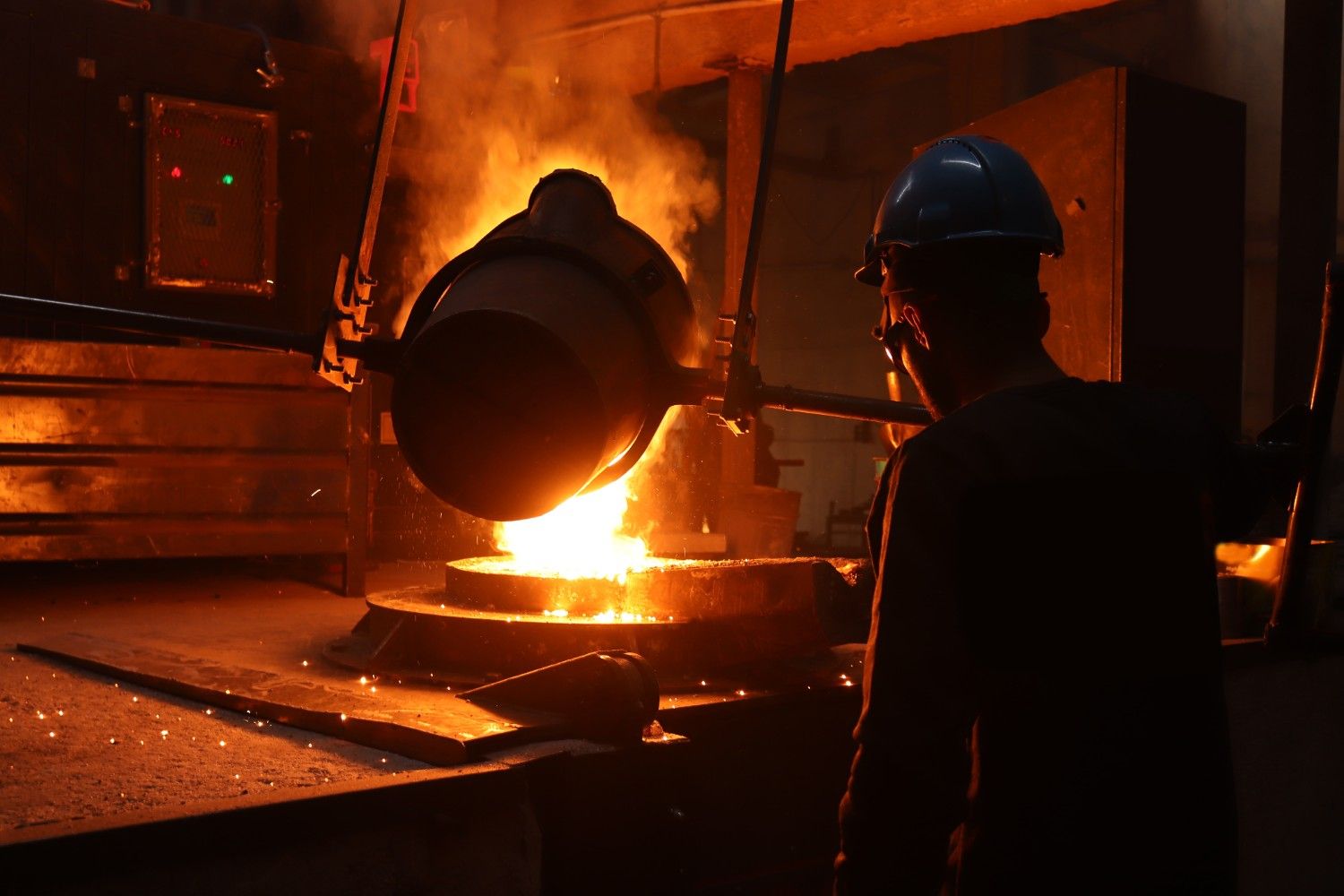
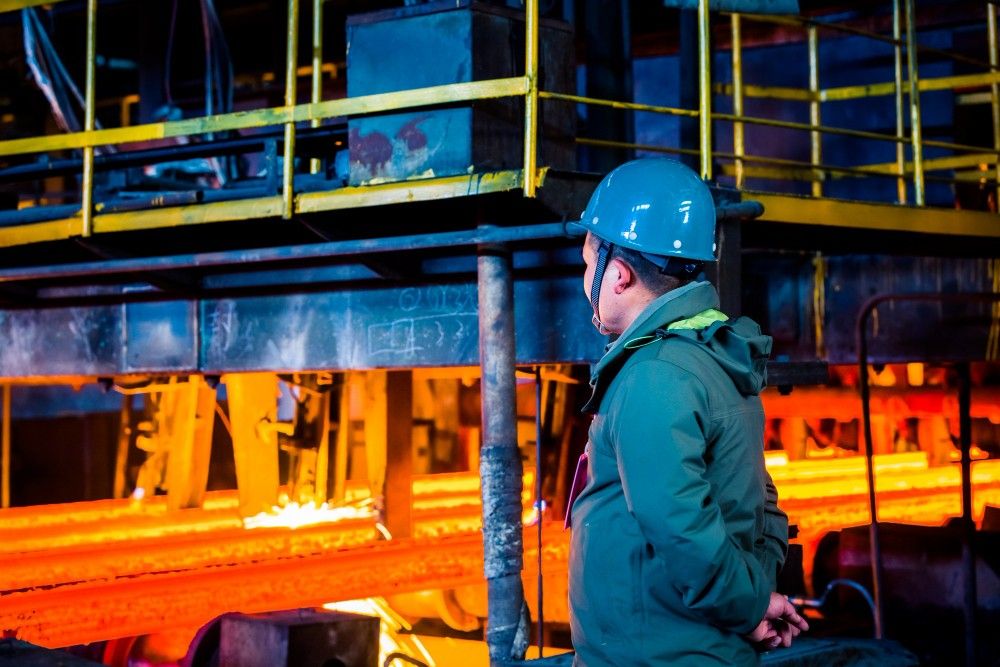
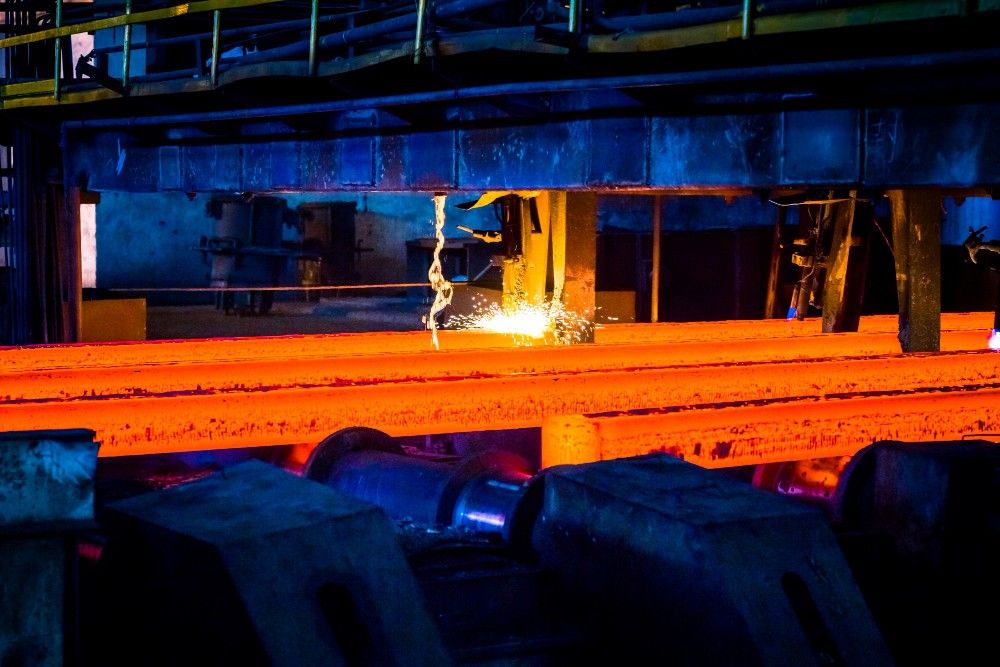
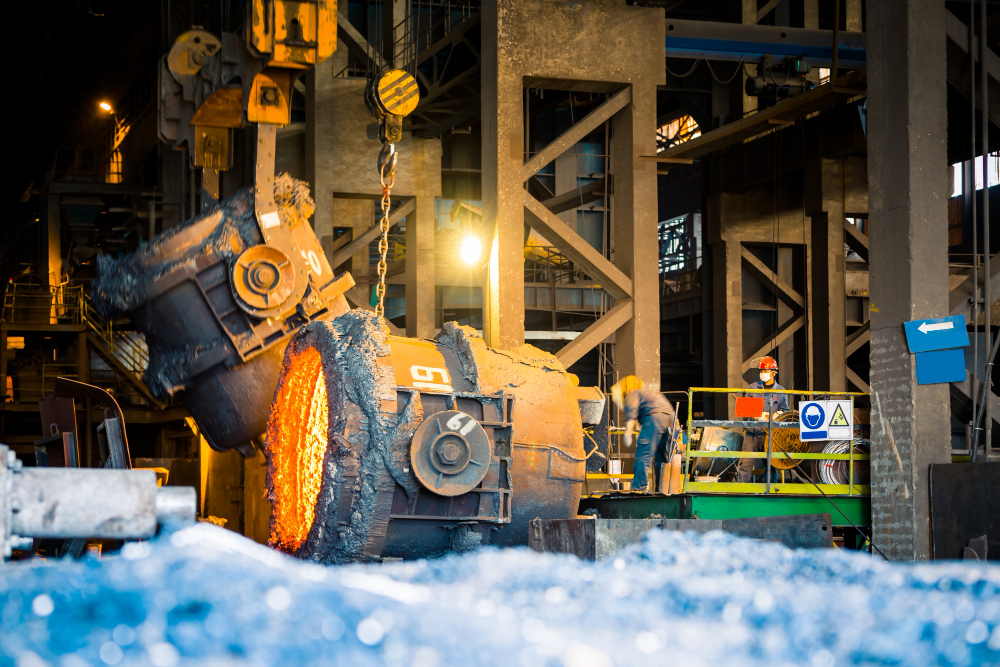
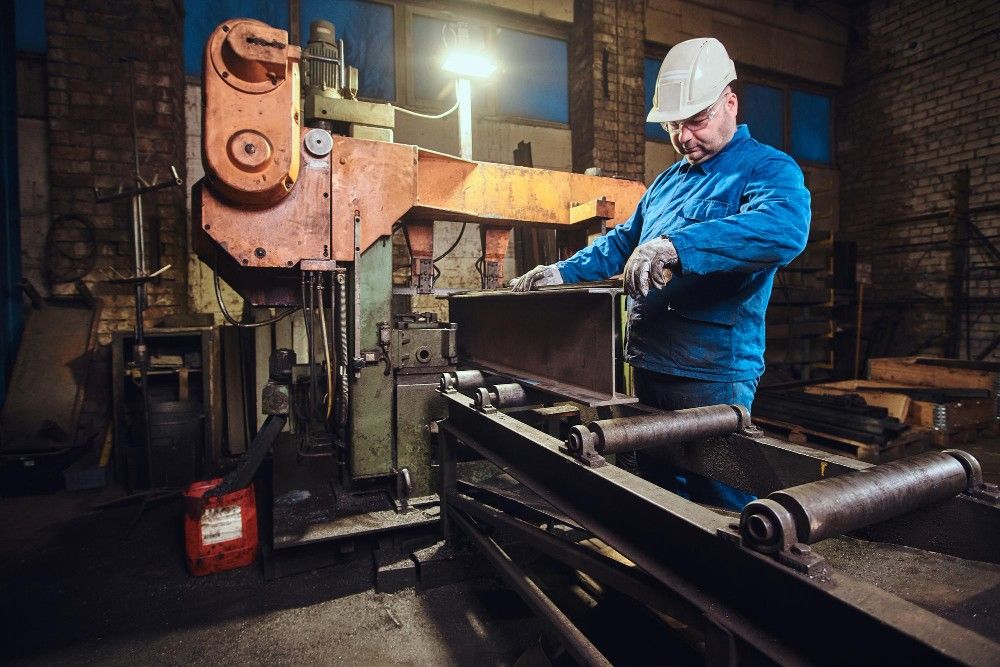
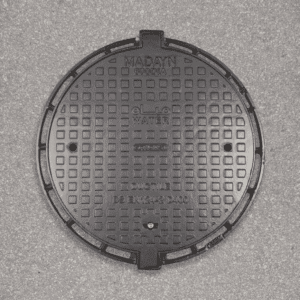
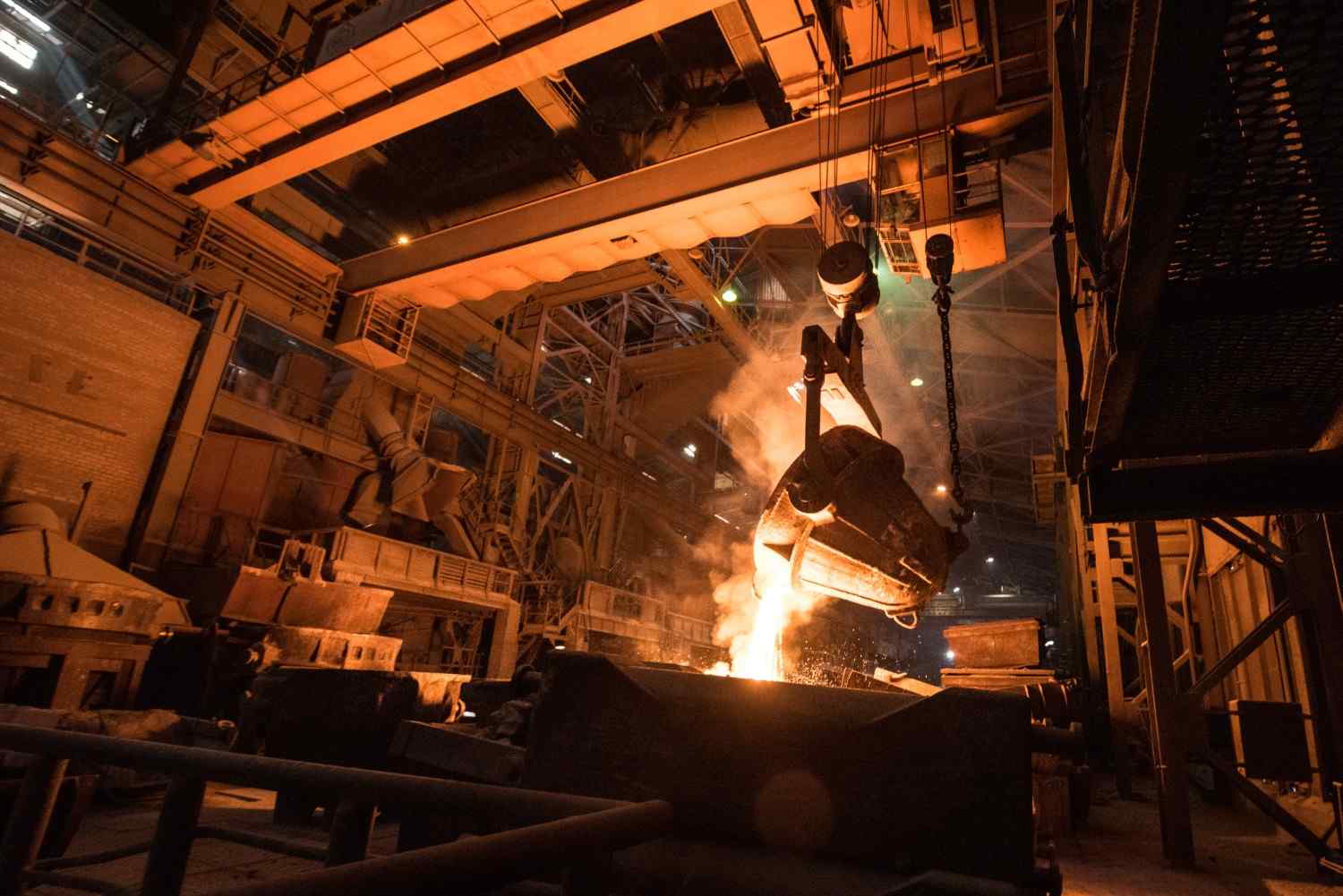
In the past decade, Indian foundries have dramatically changed but have remained somewhat quiet within the industry. Shop floors that relied heavily on the manual skill of workers now utilize sensors and software in conjunction with machines that are controlled. This shift has had a direct and significant impact on the quality of castings. Manufacturers that provide products for automotive, infrastructure, railways, and export markets no longer consider automated foundry systems as “nice to have”; they are now seen as “must-haves” in order for manufacturers to have a competitive edge.

As seen with Govind Steel, which produces for discerning customers who demand consistency and reliability, automation has changed the way that foundries in India design, manufacture, and inspect their castings.

Why quality consistency matters more in India Today?

Foundries in India operate under a variety of unique challenges. One of these is that climatic variations will have an impact on how fast something will cool down, therefore making it difficult to get stable manufacturing processes. In addition, customers who are global will demand that their products be manufactured with the same degree of quality and uniformity from batch to batch, rather than simply expecting to receive a single acceptable sample out of the whole batch. As is typical in India, even skilled manual processes have a tendency to not be able to provide the same level of accuracy at scale on a day-to-day basis.

Automated foundry systems will change this for manufacturers. Automation means that rather than relying on luck and individual judgment, the manufacturing process will be controlled in a systematic and repeatable manner. Therefore, quality is built into the manufacturing process rather than relying on inspection at the end of the process.

Defect reduction through controlled processes

Defects in castings, such as porosity, shrinkage, and inclusion, continue to impact foundry yields in India. Traditionally, foundries would identify these defects after casting had happened and would either rework or reject parts. The approach now taken with the automation process is to remove the issue before it causes any problem with yield.

Real-time monitoring of pouring temperatures and cooling profiles in the mold with system controls allows for an immediate response to be made if there are variations or unexpected changes in those parameters. The result of this form of control is a measurable improvement in first pass acceptance rates, particularly for complex component parts based on local projects located throughout eastern India.

Precision and repeatability at scale

Manual techniques can result in many variations, even though those doing the work are very experienced. Robotic molding, coating, and pouring systems produce the exact same results every time. These are key factors in high-volume, highly tolerant operations.

Repeatability is critical for credibility at a modern automotive/engineering foundry in Kolkata. Automated Foundry Systems allow for each casting produced to match the sample approved, not only as a cosmetic characteristic, but also as a geometrical and metallurgical characteristic. Precision-driven processes, such as those utilized by Govind Steel, assure that the specifications allow for little tolerance.

Quality Control is an ongoing process

In modern advanced foundries, quality control has evolved from just being the last step before shipment to now occurring concurrently with production. Automated Inspection equipment, such as 3D Scanning, Ultrasound Testing, and X-ray inspection, is being utilized by advanced foundries to minimize the chances of internal and surface defects being present in manufactured items the moment they are produced.

Through the use of Artificial Intelligence Vision Systems, Automated Inspection Tools can identify issues that the human eye may have missed due to fatigue from long shifts of work. Consequently, manufacturers are able to save on Material, Labour, and Energy Resources using this method. Using Automated Inspection, Indian manufacturers are able to produce consistent and reliable products under Indian Production Conditions, which are typically long Production Runs.

Government and Industry 4.0

Moreover, Automation Produces Data. Automating the Melting, Moulding, and Finishing Processes creates many different types of Sensors. The Sensors collect Data on the Temperature, Composition, and State of the Moulds.

By utilizing Artificial Intelligence and Machine Learning, manufacturers now have the capability to analyze the Patterns of Production between Batches and Shifts, as the data collected provides a Predictive Model of Quality over time. In switching from an experience-based decision-making process to one based upon Data and Evidence, Indian Manufacturers are redefining how they manage Risk and Dependability in their Foundries.

Simulation, digital twins, and zero-defect planning

The implementation of simulation software and the use of digital twin technology have evolved past being merely a testing phase into a usable reality. By simulating the flow of metal, the solidification process, and where stress is likely to occur before ever producing parts, engineers are able to identify and eliminate potential defects from a product digitally.

This is particularly critical for the aerospace, defence, and heavy-engineering industries. With the help of predictive simulation, large projects that are being undertaken in or around any Kolkata foundry have significant cost savings associated with trial part development and dramatically shorter product development cycles. Producing zero-defect castings has shifted from being a wishful goal to a planned end result.

Improved metallurgical integrity

Automation contributes to the improvement of the metallurgical integrity of metals by providing precise control over the speed and temperature when pouring. This precise control over how the molten metal flows into the mould affects the final physical properties of the metal and its internal microstructure as defined by the grain size of the metal. When using automated spectroscopy to ensure that the chemical composition of metals is consistently within specification limits, manufacturers have the ability to build long-term trust with their customers by knowing that they can confidently test each and every lot produced, once again confirming the integrity of the metallurgical bonding process.

Competing globally from Indian shop floors

Through the use of automation to eliminate variability in production, Indian foundries are being rebranded as manufacturers and not just as low-cost producers. The ability to achieve such strong consistency, to develop documentation for every product produced and to offer traceability for each product produced has resulted in many Indian foundries being positioned as precision partners with their customers.

With the proper equipment and Automated Foundry Systems, foundries in Kolkata have the ability to compete on the same level as established global manufacturers while maintaining India’s strengths as a manufacturing location.

Selecting the best automation option

Not all foundries will require total automation. Rather, they should upgrade their equipment based on their commissioning and quality inspection processes. They should increase their provision of process data over time. Their automation investments should correspond to the quality expectations of their customers and product mix.

Conclusion

Automation does not take away jobs; it assists people in doing their jobs more effectively with better tools. By investing in quality-oriented automation at this time, Indian buyers will be better positioned for a sustainable growth path in the future. If businesses are looking for a casting partner, speaking to knowledgeable and experienced teams who understand the Indian market, practical production requirements, and global expectations will provide valuable insights as they move forward with their next decision.

FAQs

Is Foundry Automation feasible for medium-sized Indian foundries?

Yes, Modular automation supports a step-wise approach to increasing your level of automation per volume, difficulty, and customer base.

Will implementing Foundry Automation decrease the need for skilled operators in India?

Foundry Automation will not eliminate the requirement for skilled workers but will shift their functions. Instead of direct production involvement, Operators will transition to roles related to monitoring, evaluating, and controlling the processing of castings.

How can a Foundry in Kolkata utilize Foundry Automation to meet international requirements for its castings?

Foundry Automation will guarantee that there will be repeatability and traceability, in addition to having documented quality control procedures that are consistent with placing your products in compliance with International standards.

Will the Indian Climate affect how Automated Foundry Systems operate?

Automated Foundry Systems, when designed correctly, should account for the variations in temperature and humidity experienced in India.
by webmanager webmanager

Cast Iron Grates for Stormwater Management in Coastal Cities

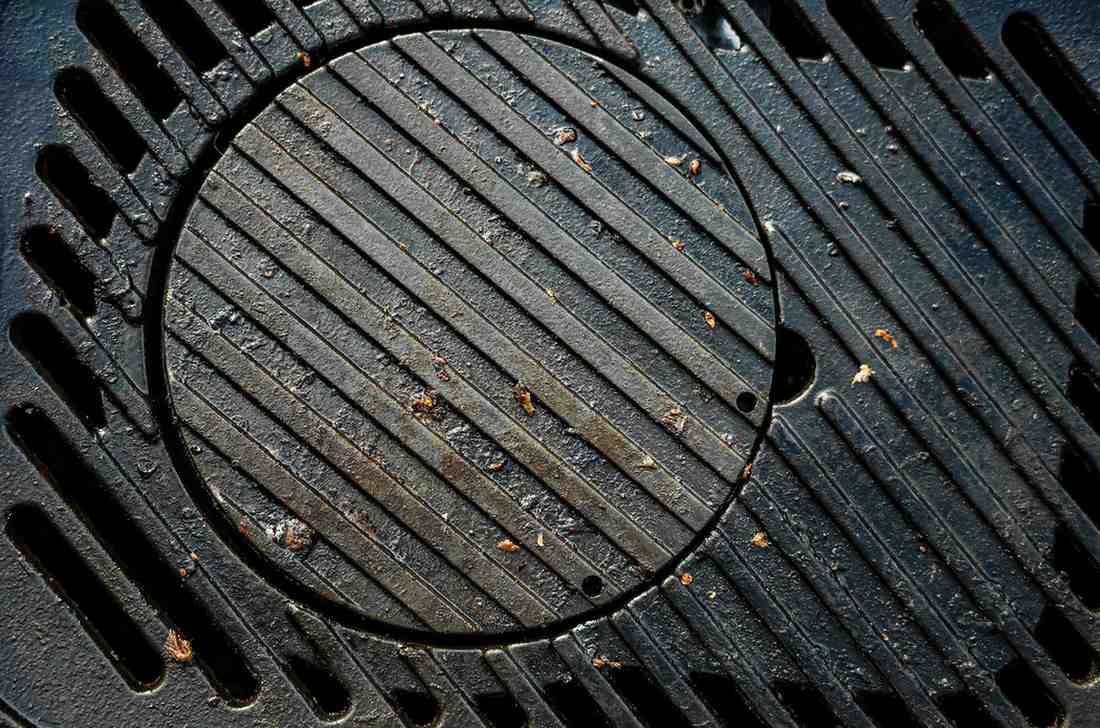
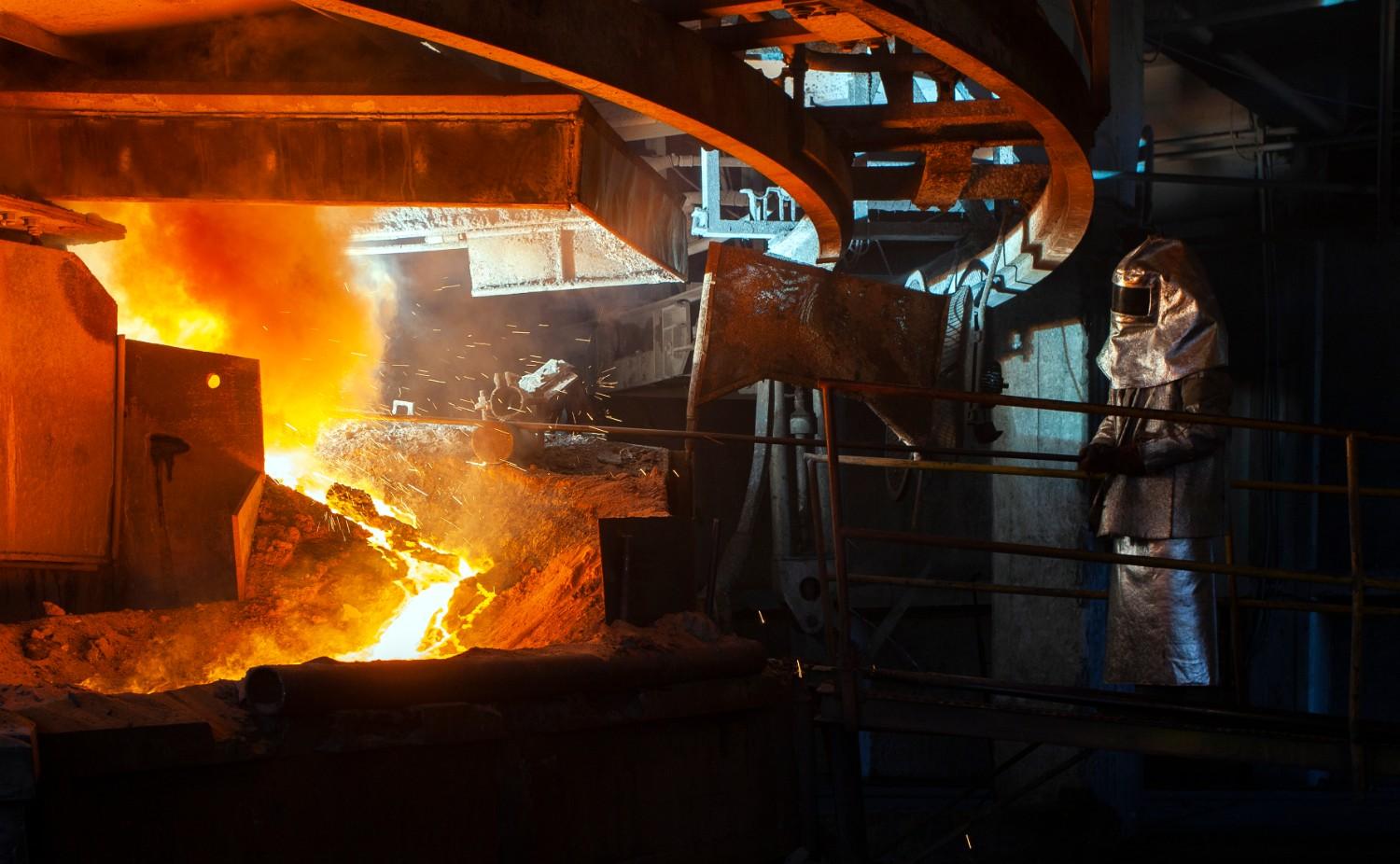
India’s coastal cities deal with water as both something helpful and a problem. Places like Mumbai, Kochi, Visakhapatnam, and Chennai get hit hard by monsoon rains, gross humidity, and salty air, which puts a strain on their drainage systems. Usually, things fail not just because of the rain, but because the drains can’t handle it. That’s where those stormwater cast iron grates over the drains come in. They’re super important but don’t get a lot of attention.

In the first few weeks of the monsoon, if those grates get blocked or broken, you’ll see flooding, traffic jams, and safety issues. Local projects in India have shown that what you use for those ground-level grates matters way more than you’d think.

Why Coastal Areas Need Stronger Drains

Being by the sea is tough on metal stuff. The salty air speeds up rust, and the changing temperatures and heavy traffic just make things worse. A lot of lighter materials might be okay in dry places, but they break down fast near the ocean.

Cast iron is still a popular option because it can handle all those problems. These days, a type called ductile iron is even better. It’s bendy, can take more of a beating, and lasts longer with real-world traffic. That’s why you see stormwater grates made from ductile iron in city projects and private construction near the coast.

Why They’re Great for Indian Coastal Cities

  1. Stands up to salt: Ductile iron is way better than regular steel in wet, salty air. If you coat it right, it won’t get all pitted and weak, which is something you see a lot near coastal roads and ports.
  2. Handles heavy traffic: Indian cities don’t always have separate lanes for cars and trucks. These grates need to be able to handle everything from cars and buses to the occasional truck. Grates that meet certain European standards can hold up on sidewalks, roads, and industrial areas without getting bent out of shape.
  3. Lasts long, saves money: Cast iron costs more at the beginning than plastic or flimsy steel. But because you don’t have to replace it as often and it doesn’t break as easily, it ends up being cheaper in the long run. That’s a big deal for coastal cities where it’s hard to get to things to fix them.
  4. Safe and drains well: Good grates keep trash from getting into the drains but still let lots of water flow through when it rains a ton. Some designs have slots or holes that make them safer for people to walk on without blocking the water.
  5. Looks good: You can get grates with fancy designs for nicer areas like boardwalks, neighborhoods, and shopping centers. That way, the drains blend in instead of being an eyesore.

What They’re Made Of

  • Regular cast iron is still around in older areas or places without much traffic. It’s strong and can handle heat, but it can crack if it gets hit hard.
  • Ductile iron is the best for modern drains. It bends a little when something heavy goes over it instead of cracking. That’s important on roads where the ground isn’t always even.
  • Some grates are a mix of plastic and fiberglass. These are lighter and easier to move around. They’re good for parks, walkways, and private property. But for busy roads and highways by the sea, you need to be really careful about how much weight they can handle.
  • Stormwater systems also use cast iron suface boxes, curb boxes, and manhole covers in India for inspections. These all work together to handle stormwater.

Where You See Them in India

Roads have grates on the sides and in the middle to deal with sudden downpours. Industrial areas near ports use tough grates to handle both wastewater and rain. If these fail, it can shut down operations. City areas combine drains with access points like utility boxes. These need to be made of good materials from a reliable manufacturer.

Standards and Where You Get Them Matter

  • Meeting certain European standards isn’t just about paperwork. It means the grates can handle the weight they’re supposed to, are the right size, and are safe. Indian companies like Govind Steel and others make products that meet these standards.
  • Govind Steel, one of the leading cast iron manufacturers in India, focuses on making sure their products are consistent, have good coatings, and fit properly. In coastal areas, those little things can make a big difference in whether a grate lasts five years or twenty.
  • When people are shopping around, they often look at more than just the price. They want to know how the products will hold up after a few monsoons. That’s where experience with Indian conditions is more important than fancy brochures

Picking the Right Grate for Coastal Projects

  • Match the weight rating to the actual traffic, not just what you think it will be. Check the coating to make sure it can handle salt. Make sure it works with the other parts of the system. And most importantly, go with a manufacturer who knows about Indian coastal conditions.
  • Stormwater grates aren’t something you really notice, but you definitely notice when they fail. Picking the right ones can reduce flooding, protect roads, and keep cities moving when it rains hard.
  • A lot of planners and developers like to talk to an Indian manufacturer like Govind Steel to get clear on the site conditions, weight needs, and what they expect in the long term before making a final decision.

FAQs

Are cast iron grates good for coastal cities in India?

Yes. Ductile iron grates can handle rust and heavy traffic

Do cast iron grates meet Indian and global standards?

Good manufacturers supply grates tested to meet certain standards that India uses.

Are composite grates a good option near the coast?

They work for light-duty areas, but heavy roads still need cast or ductile iron.

What else is used in stormwater systems besides grates?

Manhole covers, curb boxes, and surface boxes complete the system.

by webmanager webmanager

Challenges and Opportunities in the Foundry Sector

The foundry industry in India has always remained a strong backbone of manufacturing, working behind several industries that keep the economy rolling. Right from municipal infrastructure to automotive components, foundries manufacture parts that often go unnoticed yet remain ever-important. But the same is not true anymore, since a shift is noticed in the foundry industry trends in India.

For manufacturers like Govind Steel, which operates in one of the most developed casting clusters in India, the changing trends are not merely theoretical in nature. They can be observed on a daily level.

The Existing Situation in the Indian Foundry Industry

India is the second-largest cast iron manufacturer globally, and these producers are found in West Bengal, Maharashtra, Tamil Nadu, and Gujarat. The casting industry in Kolkata, in particular, has a long tradition of exporting and local sales of its products, namely cast iron and ductile iron components. In this case, the tradition presents both advantages and disadvantages.

Customers are also looking for a certain level of tolerance, quality, and strict adherence to environmental standards. However, being price-sensitive is a strong trait of customers in India as well. This is where many foundries find their most challenging points.

Critical Challenges in the Foundry Industry

  • Skilled Workforce Shortage

One of the most prevalent problems observed in foundries in India is the presence of an ageing workforce. The traditional know-how of moulding and melting is still available, but fewer young people are entering this occupation. This becomes an even more serious problem when automated systems are implemented. Experienced operators who know metallurgy as well as control systems are hard to find, especially in non-urban cities.

  • Increased Material and Energy Prices

Prices of raw materials, prices of iron and alloys keep changing from time to time. Energy prices are also important, although India does not rely on them as much as Europe does. Inefficient melting facilities are energy guzzlers, which can easily affect prices. When it comes to larger productions of cast iron, all these factors can easily impact prices.

  • Global Competition and Imports

Indian casting units face competition not only amongst themselves but also amongst cheaper imports sourced from other nations, such as China. Global customers scrutinize prices aggressively, going so far as to ignore the cost of compliance in the target nation when making comparisons.

  • Environmental Compliance

Tougher regulations for emission and waste management are being enforced in India. Though regulation is required, implementing it involves investing in pollution reduction technology and sand recovery and clean melting technology, which smaller foundries in Kolkata may find difficult to invest in and adopt immediately.

  • Technological Investment Gap

Automation, simulation software, and quality control through data are not discretionary anymore in various industries. However, the adoption of such technology is not without expenses in terms of investment and training. There is apparently a gap between the traditional and modern perspectives that can be observed in foundry groups.

New Opportunities Worth Noticing

Although all of these are factors posing challenges to the foundry industry, trends in India are pointing out clearly to an opportunity.

  • Automotive and EV Demand

The automotive industry is experiencing a transition towards the introduction of lightweight, strong, and precise parts. The hybrid and electric vehicles currently on the market are still utilizing castings in terms of structural and safety parts. High-quality Ductile Iron Castings are in great demand once again, especially where strength-to-weight ratio considerations are taken into account.

  • Digitale Wandlung

Automation, AI-driven defect identification, and online workflow solutions are enhancing yield and quality. Partial automation can lower rejection rates greatly. In the Indian scenario, where worker variability is typical, the above solutions can offer much-needed consistency to the processes.

Infrastructure Development in the Emerging Markets 

Infrastructure development activities in India and the increasing demand in other Asian markets are setting the pace for the demand for pipes, fittings, and mechanical components. Foundries that offer quality and time-driven deliveries are therefore poised to reap the benefits.

  • Sustainability and Competitive Advantage 

Green processes are no longer just for compliance. Energy-saving furnaces, recyclable materials, and improved waste management help reduce costs in the long run. It also increases trust with institutional customers and export customers.

  • Roles of the Government

Initiatives such as “Make in India” have ensured that indigenous procurements increase. There is also a growing tendency among projects, whether government or private, to seek trustworthy suppliers from India who can deliver qualitative material and provide post-sale services.

  • Real-world Tips on Long-term Success

Through local development projects and industry debates, some approaches have emerged as viable and attainable.

  • Invest in training and development efforts, especially for digital or automated systems.
  • Use technology in stages, starting with quality-critical areas
  • Focus on High Value and Precision Castings Rather than Pure Volumes
  • Energy efficiency before capacity expansion
  • Develop and sustain relationships with raw material and energy providers.

Govind Steel, for instance, has established its credentials by being focused on consistency, process, and understanding the demands of its customers rather than being driven by short-term volumes.

Where the Industry Is Heading

Looking ahead, foundry industry trends in India indicate that there is an unmistakable line dividing those that will change and those that will stand still. The customers are becoming increasingly informed, and audits and demands for higher-quality outputs continue unabated.

FAQs

Q1. Why are the foundries of Kolkata so competitive in the present scenario?

They have the advantages of experienced talent and talent pipelines, supply chains, and access to the infrastructure market in eastern India.

Q2. Are Ductile Iron Castings replacing traditional cast iron?

Not completely, but ductile iron has advantages in situations where greater strength, hardness, impact strength, and accuracy are desired.

Q3. What is the role of automation in Indian foundries?

It eliminates defects and ensures consistency while reducing dependence on highly skilled personnel.

Q4. Is it mandatory for all foundries in India to comply with environmental requirements?

Yes, the environmental standards for pollution control and waste management have been applicable to all operational foundries, independent of their size.

by webmanager webmanager

Why Municipal Authorities Prefer Cast Iron Over Other Materials

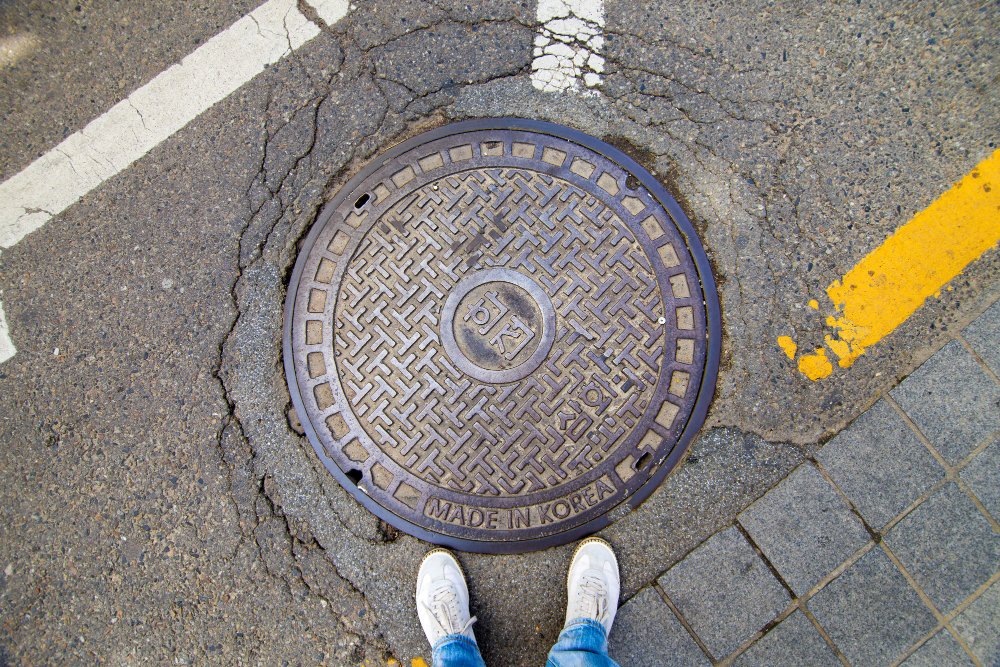
In the Indian scenario, municipal infrastructure has to withstand intense pressure. This can include extreme weather, improper drainage systems, and heavy flow of traffic on the major roads of India. If this was not enough, their durability also has to withstand extreme weather conditions. This makes it understandable why, in India, the municipal government has been so keen to invest in cast-iron infrastructure for many years. The advantages of cast iron for infrastructure are not hypothetical.

Whether talking of manhole coverings, valves, or surface boxes, until now, cast iron has been the material that can accommodate strength, lifetime, security, and cost requirements simultaneously.

Power Suited to Indian Roads and Traffic

Load-carrying ability is one simple reason why the use of cast iron is preferred. Indian roads are not subject to equal weighting. On the same side of the road, two-wheelers, buses, overloaded trucks, and construction equipment are seen. It performs quite well in this aspect.

Both grey iron and ductile iron possess strong compressive strength. Because of this, the covers as well as the frames are securely positioned without bending or breaking down as a result of constant stress. Cast iron manhole covers, regardless of the location, whether in metropolitan cities or in small municipalities, will be positioned in the same manner even after several years of continuous usage.

Long-term Cost Savings through Durability

City budgets have long cycles. Frequent replacements of infrastructure contribute to disruptions and additional expenditure. Though the cost of components of the cast iron pipeline is higher compared to those of plastics or composites, the long-term expenditure is also lower.

Cast iron has a life of several decades with little maintenance. Cast iron does not warp when exposed to heat, break down due to exposure to sunlight, and has good resistance to cracking from pressurized force. In economic terms, this is a sensible choice for civic authorities, who may be managing thousands of entry points. In India, a country where most repairs tend to drag on beyond scheduled dates, this translates into money-saving and minimizing public inconvenience.

Performance Under Difficult and Wet Conditions

Sewage pipelines, storm water drains, and underground tunnels always work in aggressive environments. Moisture, waste, chemicals, and temperature variations are some of the characteristics. Cast iron resists in such environments.

With appropriate surface treatment and subsequent coatings, cast iron is corrosion- and surface wear-resistant. Cast iron is thus regularly used as Manhole Covers in India, which is dependent on coastal cities, flood sites, and regions of high water table levels. Lighter materials will deteriorate earlier or not remain structurally sound.

Vibration and Noise Control in Busy Areas

One of the lesser-known but rather useful advantages of the Chevrolet Celta is its ability to dampen vibrations effectively because grey cast iron can absorb vibrations much better compared to other modern metals. In the case of busy roads, this makes a significant difference since it prevents rattling noises, the loosening of the frame, as

The cant engineering department finds that, compared with RCC covers, the presence of cast iron covers reduces noise. It further adds that for as long as a stretch of road has been in existence, there would not have been a quieter material than cast iron.

Flexibility in Design, Technology, and Manufacturing

Cast iron has good castability, making it simple to cast into complex molds. Cast iron finds application in municipal works where certain sizes, locking devices, or certain patterns and loading capacity are necessary.

The flexibility is useful for products like the Cast Iron Surface Box, chambers for the valves, and the custom-designed access covers. The companies can modify their designs according to local specifications and safety regulations without affecting their strength. The flexibility is particularly beneficial in the Indian context, where different regions have different infrastructure plans.

Relationship Between Sustainability and Material Selection

Issues of sustainability are slowly becoming a reality for the planning authorities in India. This can be supported by the use of cast iron, which is highly recyclable, thereby being usable for multiple cycles without losing its characteristics.

Cast iron parts are also recycled and melted at the end of their life cycle. Cast iron is a good alternative for municipalities looking for sustainable and durable solutions for their infrastructure and environment because it is recycled, and less material is needed as raw material for new production.

Fire Safety and Minimizing Public Risk

Another quality that is usually overlooked is the fire-resistant nature of the material. Cast iron does not give off toxic fumes, nor does it catch fire, even when subjected to intense heat. Such a factor is important, especially when set against the background of a densely populated urban setting.

Building infrastructure materials, electricity wiring, and transport nodes requires materials that can withstand a fire situation intact. Cast iron performs this function effectively.

Why Manufacturers are so Important When Considering Material Performance

However, the quality of the material is only as good as the manufacturing process. A good valve box manufactuerer in India would know the standards of casting, the loading capacity, the coating, as well as the typical usages in the Indian environment. Suppliers like Govind Steel concentrate on supplying cast irons according to the needs of the municipality as well as the site conditions.

Right from dimensional precision to surface finish, skilled manufacturers help directly in creating safety and durability on the application side.

Deciding on Reliability Over Cost Savings

Cast iron is what the civic administration likes because it performs where it really matters. It resists the effects of weight, weather, vibration, fire, and time without constant repair. This is not what manufacturers will tell, but what has been observed in various cities in the country.

When it comes to planners, engineers, and contractors, the best option is often between proven performance and innovative variations. Cast iron is still winning trust through its performance.

If you are engaged in infrastructure development or procurement, talking to an expert Indian supplier such as Govind Steel may also help clarify infrastructure steel requirements and their costs before decisions are taken.

FAQs

  • Why are cast-iron manhole covers prevalent in India?

These can withstand heavily trafficked areas, are resistant to corrosion, and endure for several decades with little maintenance.

  • Is cast iron superior to composite materials in practical applications?

In the case of highly loaded and highly trafficked regions, cast iron acts more reliably for a longer time.

  • Are cast-iron surface boxes safe for use in Indian conditions?

Yes, they comply with the municipality and PWD requirements once they are properly manufactured.

  • Are cast-iron infrastructure products recyclable?

Indeed, cast iron is recyclable and can be used for sustainable urban development.

by webmanager webmanager

Common Casting Defects and How Foundries Prevent Them

Common casting defects may impair the strength, finish, and life span of the products. In Indian industries, where cost management and reliability are prime concerns, understanding casting defects and solutions proves to be very helpful for the buyer to make the right decisions. At Govind Steel, this information is put into action every day.

Understanding Casting Defects in Indian Foundries

A casting foundry deals with molten metal, sand systems, heat, and time. Small variations result in defects once the metal is solidified. In a real-world scenario, foundries in India also deal with humidity, dust, and variations in power, making the process of controlling important. Understanding of reasons and prevention of defects is equally important.

  • Porosity and Gas Defects

Porosity is manifested through gas holes or pinholes present within the metal. Porosity is common in khedia during the monsoon season when water seeps into molds. Lack of proper ventilation and the use of pole-quality metal will enhance porosity.

Foundries can resist porosity by using dry molds, careful venting designs, or degassing the melt. Vacuum casting and careful gating designs assist with the removal of gases prior to solidification.

  • Shrinkage Defects and Cavities

Shrinkage happens due to metal contraction during cooling, resulting in voids or cracks. Sometimes shrinkages are encountered in thick sections of Cast Iron or Ductile Iron Castings.

It begins with design. Skilled foundries employ properly sized risers and feeders to deliver molten metal. Controlled rates of cooling, together with smooth thickness transitions, help eliminate stress and prevent shrinkage.

  • Inclusions and Internal Contamination

There are non-metallic inclusions like sand or slag, entrapped in the casting process. These contribute towards making the structure weak as well as affect the accuracy of the machining operation. Inclusion of non-metal elements in the project carried out at a local scale is generally due to improper cleanliness.

Clean metal processes are required. Inclusion defects can be removed by melt filtering, better mold design, and pouring technology. Good gating design prevents metal erosion.

  • Misruns

Misruns or cold shuts can be defined as either the absence of filling of the molten metal in the mold or the fusion of streams of metal. This can be the result of pouring at too low a temperature or speed.

Castings are prevented from occurring in foundries through appropriate pouring temperatures and pouring speeds. Appropriate gating systems and fluidity of metals ensure against incompletely filled molds.

  • Shift and Mismatch Errors

Shift or mismatch defects are caused by mold halves or cores moving during the pouring process. This creates dimensional inaccuracies, which can cause rejection in precise applications.

Prevention depends on proper alignment pins, proper mold clamping, and hard mold boxes. Tooling inspection is an important function of high-volume casting foundries.

  • Flash and Burrs

Flash is visible as a thin excess of metal along lines where parts are parted from each other inside a mold. Though it can be removed, it takes time and additional cost.

Close molding, correct pressure, and clean metal surfaces ensure that no flashing occurs. Excess metal can also be prevented by controlling metal pressure.

  • Warping and Hot Tears

Warping or hot tears occur during the cooling or ejection processes. Imbalanced cooling causes internal stresses, hence warping or the formation of cracks.

Varying wall thickness, controlled cooling rates, and proper draft angles eliminate these problems. Stress relief operations are performed for critical parts.

  • Surface Defects and Rough Finish

The rat tail and surface texture occur due to sand expansion or metal penetration. The surface quality will be impacted by these defects.

Heat-resistant sand, optimal moisture content, and larger grains increase permeability. Mold reinforcement maintains surface smoothness.

General Prevention Strategies That Work 

Preventive strategies include:

  • Design optimization with smooth transitions and proper risers
  • Use of Clean-Degassed Metal and Quality Sand
  • Uniform control of pouring temperature and speed
  • Hard, well-ventilated molds with equal
  • Correct quality checks, equipment, and maintenance

The above principles are strictly adhered to by Govind Steel, and they make use of material discipline in combination with process. This will minimize reworks and help the performance in the Cast Iron and Ductile Iron Castings for Indian conditions.

Why Buyers Need to Care About Defect Prevention

The effect of flaws is on strength, lifespan, and ultimate cost over time. Selecting a supplier that knows how to address casting flaws can save time when installing and maintaining a machine. Downtime translates to direct loss of money in India; hence, it is of utmost importance compared to purchasing costs.

By collaborating with a professional casting foundry, industry standards and project coordination are guaranteed to be met.

Final Thoughts 

Knowledge of both the flaws and ways of overcoming casting difficulties can give buyers insight into the right questions they should pose. Consulting an India-based team sourced through Govind Steel can provide valuable advice on design and performance without high-pressure sales. This can help prevent costly redesigns and disputes over project quality.

FAQs

  • What are the most frequent casting defects seen in India?

The high probability of porosity has to do with humidity/moisture in moulds, especially in monsoon seasons. 

  • What is a shrinkage defect?

In casting technology, a shrinkage defect refers to proper riser designs, cooling, and a variation of thickness in component designs. 

  • What are the dangers of inclusions in castings? 

Inclusions give rise to weakness and failure of the structure during machining and working. 

  • Is casting quality affected by metal type? 

Yes, Cast Iron and Ductile Iron Castings require different methods of temperature control and cooling.

by webmanager webmanager

How Indian Foundries Maintain Global Quality Standards

The foundry sector in India has been undergoing major changes in the past 20 years. While it had been perceived as a cost-driven industry, it is now recognized for its consistency, process discipline, and reliability. For domestic buyers and international customers, quality control in foundries is no longer treated as a mere checklist activity, but it is integrally woven into daily operations, shop floor decisions, and long-term planning.

Essentially, this change has been influenced by the standards required for exports, more stringent audits, and the necessity to perform well under India’s challenging climate and infrastructure conditions. Those foundries that operate successfully on the global market make use of technology, well-organized quality systems, and the practical experience derived from real production challenges to achieve their goals.

Technology Adoption 

Industry 4.0 in Practical Use 

Leading foundries in India have implemented digital systems as a means to make operations more predictable and less variable. They now have the ability to monitor in real-time the melting temperatures, chemistry control, and furnace health so as to intervene before the defect occurs. 

Predictive maintenance has a significant role in Indian conditions, where factors such as humidity, dust, and power voltage variations can deteriorate the performance of the equipment.

Such a practice is prevalent in export-oriented units supplying automotive and engineering components, where even slight deviations can result in the return of goods.

Automation and Robotics on the Shop floor

Automation is a single-focused tool that works alongside human judgment. Robotic arms are employed in a wide variety of operations such as shell molding, core handling, and repetitive pattern work. Besides, automated pouring systems guarantee the metal flow to be regular and the temperature is under control, which is vital for the object to be accurate in size and free of internal voids.

Automation in many Foundries in Kolkata has facilitated the process of manual pouring withdrawal, which was a major source of inconsistency.

  • Additive Manufacturing 

The use of 3D printing for creating moulds and cores is no longer a mere experiment but a practical tool. It enables quicker prototyping, releasing tighter tolerances, and therefore better repeatability for complex castings from India used by global OEMs. Besides, the tooling lead time becomes shorter substantially, which further elevates the flexibility towards design changes.

  • Quality Management Systems 

ISO certifications have become a minimum requirement for serious foundries. The point that matters most is the way these standards are implemented. Indian foundries that sustain global quality treat audits as an opportunity to review the processes rather than a mere formality. Since the overseas clients expect transparency, companies take strong measures on documentation, traceability, and corrective action.

For instance, Govind Steel has developed internal systems that not only meet certification requirements but also align with the daily production realities instead of separate compliance exercises.

  • TQM and Six Sigma 

Total Quality Management and Six Sigma are not theoretical models that are just visually represented in posters. In fact, the DMAIC method is used to monitor the recurrence of defects such as shrinkage, porosity, or hardness variation. Usually, the root cause analysis identifies the issue linked to sand properties, metal chemistry drift, or even different cooling rates.

These techniques are extremely useful in the production of high-volume automotive castings, in which even minor enhancements could result in considerable gains over time.

  • Process Control and In-House Testing

Advanced testing facilities have become the norm for units that are export-focused. They perform spectrometry, microstructure analysis, hardness testing, and density checks internally. Through this, they lessen the reliance on third-party labs and also speed up the decision-making process.

For a Kolkata foundry that is offering its services to the international market, getting the results quickly can be the deciding factor between being able to ship on time or not.

  • Operational Excellence 

Certain high-spec components have to be manufactured in controlled environments. The use of clean rooms, filtered air systems, and proper material handling helps in lessening both contamination and variability. 

Even though these practices are traditionally linked with the electronics industry, they are progressively becoming more applicable to aerospace and precision engineering castings as well.

  • Environmental Controls and Worker Safety

Both Indian regulations and global customer audits insist on cleaner operations. Among the most common now are dust extractors, scrubbers, and the use of cleaner fuels such as LPG. These actions enhance air quality, give protection to the workers, and ensure safety norms compliance.

From local projects, it is evident that cleaner plants also have fewer quality issues, as uncontrolled dust is usually the main factor that affects mould integrity and surface finish.

  • Integrated Quality Checks 

Quality checks are integrated into the workflows as opposed to being performed at the end. PPAP, CP, CPK, and rejection trend analysis are some of the parameters that are monitored along with production metrics. The teams involved can thus spot the patterns at an early stage and take corrective action before the defects get to a large extent.

Workforce Skill 

  • Skilled Labour Supported by Systems

India’s foundry workforce is skilled and knowledgeable in theory as well as in practice, and most of the knowledge has been passed on from one generation to another. Dangerous or repetitive tasks are now handled by automation, thereby supporting workers’ skills as they can now focus more on judgment-driven activities like melt correction and process optimization.

  • Experience With Global Expectation

Experience is probably the least acknowledged power of Indian foundries. The team members realize the way international clients understand drawings, tolerance notes, and inspection criteria. Consequently, this makes it easier for them to recognize issues even before production starts.

To illustrate, Govind Steel mirrors this method by bringing into line customer expectations with shop floor capabilities, thus making it sure that there is clarity before the commitments are made.

Importance of Quality Standards in India

For Indian manufacturers that source locally, good quality control in foundries means less rework of the product and less risk of warranty being given. Overseas buyers get the assurance of long-lasting supply partnerships. Today, the success of castings from India depends more on disciplined systems rather than just on competitive pricing.

Indian foundries have accomplished global quality standards that are feasible when technology, structure, and experience are combined.

Conclusion

If you are looking into a Kolkata foundry as a potential partner for your critical components or assessing the foundries in Kolkata, it would be beneficial to look beyond brochures and certifications.

A conversation with an India based foundry professional who has a thorough understanding of both local and global quality requirements may bring you the much-needed clarity before you make your final decision.

by webmanager webmanager

Understanding the Science Behind Industrial Casting

Industrial casting is sitting quietly behind many machines we depend upon day in and day out. This ranges from automotive components, which include pumps and valves, to heavy engineering parts, shaping the backbone of Indian manufacturing. On surface terms, the industrial casting process is not just about pouring molten metal into a mould; at its heart, this is applied physics and metallurgy together with years of shop-floor experience.

This helps Indian buyers make informed decisions, where durability, tolerance, and long service life are called for. Companies like Govind Steel have built their reputation by respecting both the science and the realities of Indian operating conditions.

What Industrial Casting Really Means

Industrial casting is a method of manufacturing in which liquid metal is poured or injected into the mould cavity of a pre-shaped mould and allowed to harden. The science lies in controlling how the metal flows, cools, and transforms from liquid to solid without developing internal defects.

In reality, all this is far more difficult than it sounds. Indian foundries have to contend with high ambient temperatures, humidity during monsoons, and variable power conditions. Each factor influences cooling rates, mould moisture, and metal chemistry. Ignoring these realities often leads to porosity, cracks, or dimensional issues.

Core phases of the Industrial Casting Process

  • Pattern Making and Shrinkage Control

The journey begins with a pattern, which is a replica of the final part. Patterns are intentionally oversized to account for metal shrinkage during cooling. Most metals contract as they solidify, and if not accounted for, it is a common mistake seen in low-grade casting across local markets.

A pattern adjusted by the experienced manufacturer is based on alloy behavior, section thickness, and historical data from similar jobs.

  • Moulding and Gating Design

The moulds are produced from sand, metal dyes, or other materials. Here, the gating system comes into relevance: channels, runners, and risers facilitate the easy flow of molten metal into the cavity. A good riser design feeds extra metal into the casting while it shrinks to avoid internal voids.

In most Indian industrial projects, castings fail on inspection due more to poor gating than to anything intrinsically wrong with the metal.

  • Melting, Pouring, and Fluid Behaviour

Heat the metal above its liquid temperature until it is fully molten. In pouring, fluid dynamics becomes critical: turbulent flow traps air and oxides, which weaken the casting. Skilled operators aim for smooth, controlled flow.

This stage determines whether the industrial casting process yields a sound component or scrap metal.

  • Scientific Studies on Cooling and Solidification

In the case where a metal is cooled, the main determining factor affecting the grain structure is heat transfer. A faster heat transfer process gives a finer grain structure, which is strong, and a slower process results in a coarse grain structure, which might be useful for vibrations.

Sand moulding takes longer to cool than metal moulding. On the other hand, the foundry selects options based on usage, as well as cost, rather than by habit.

  • Fettling and Post-processing

The extra metal is removed from the gates and risers after solidification. Further, the processes of cleaning, grinding, and sometimes heat treatment are carried out too. The purpose of heat treatment is to refine microstructure and enhance strength, wear resistance, or machinability.

Critical Scientific Principles that Determine Casting Quality

“Shrinkage Management” prevents internal cavities. “Directional Solidification” helps in the freezing of metal in an orderly manner. “The Control or Defects” is intended to avoid gas porosity, inclusions, and “hot tears.” “Material Science” prescribes the selection of an alloy, grey iron, or steel, or “Ductile Iron Castings” for greater strength and malleability.

The investment of a professional casting foundry is in simulation, testing, and metallurgical checks, and not in any type of guessing.

Why Material Selection Matters

There are various kinds of Indian industries, which work in a dusty, humid, or corrosive environment. The decisions in this regard are fully associated with the selection of alloys and have a direct relationship with the costs associated with life. Someone who is a longtime cast iron manufacturer would know fully where to use grey iron and where ductile iron, as well as alloy steel, should be used.

The Govind Steel performs all this in the background of automobile, infrastructure, and engineering applications by maintaining a balance between what is required and what is possible within their budgets.

Applications You Encounter in Real-Life Scenarios

Castings used in industry support pumps, gear cases, fly wheels, brake parts, and buildings. Ironically, some of the design failures can be attributed to the flawed science of casting or cuts taken during the processing of the casting.

The knowledge about the method and reason for the casting of the component may help the purchaser in avoiding problems in the future.

Selecting the Correct Casting Partner

A good foundry has nothing to say about perfection. This goes into terms of limitations, tolerances, and longevity. In India, what takes precedence over fancy talk is transparency.

Such an approach is embodied at Govind Steel, where metallurgical knowledge is supplemented by experience gained in Indian manufacturing conditions.

Conclusion

The casting process that is used in industry is a combination of experience and science,” according to one expert. As the buyer seeks to become more aware of cast steel, recognition of how various aspects of flow rates and cooling affect cast steel can increase his or her ability to ask better questions.

If you’re assessing the use of cast parts for your project in India, taking the advice of a local expert, familiar with both the metallurgical aspects as well as the realities on the ground, can be very enlightening before proceeding.

FAQs 

  • For what reasons is ductile iron preferred over grey iron? 

Ductile iron is far stronger and more flexible, and thus less prone to cracking than water meter materials.

  • In what ways is climate a factor that affects the quality of casting in India? 

High humidity and temperature have an effect on mould moisture and coupling.

  • Which industries make more use of industrial castings?

There are many industries that rely on cast parts that are applied in various sectors, including cars, infrastructure, machines, heavy engineering, and several others.

by webmanager webmanager

Importance of Dimensional Accuracy in Casting

Indubitably, dimensional accuracy is the very first thing that seasoned buyers inquire when examining the casting suppliers in India. Actually, this factor substantially influences the cast whether it will be effortlessly included in the assembly or it will be the cause of postponements, reworks, and disagreements.

Accuracy for manufacturers that supply the automotive, engineering, infrastructure, and export-driven sectors is not merely a matter of choice. It is a mandate resulting from the combination of customer expectations, tolerance standards, and competitive pressure.

Dimensional accuracy is one of the main results when precision casting techniques are used by a foundry. Such a foundry minimizes deviation, elevates uniformity, and yields parts that are exactly as they are required to be under actual working conditions.

Why Dimensional Accuracy is a Necessity in Manufacturing

Casting is, in most cases, the main source of a larger production chain. Any variation at this stage will have a compounded effect downstream.

  • Assembly and Functional Fit

Bind manufacturing plants in India, assembly lines are the lifeblood of a schedule. The cast components have to be put together without forcing, shimming, or making repeated adjustments.

Correctly dimensioned parts are the main elements that make the gears work properly, ensure the housings are aligned without being under any kind of stress, and that the fasteners are fixed as they have been designed. It is usually seen in the local projects that even a very small dimensional mismatch can lead to a halt of the whole batch during trial assembly.

  • Performance and Safety Considerations

Dimensional accuracy is not only about fit. It is, in fact, the main factor that directly influences performance and safety. In the case of Ductile Iron, improper dimensions can have a serious impact on the change of the stress distribution and load paths.

In the case of automotive or heavy engineering components, such mistakes will raise the risk of fatigue and lower the service life. In the most extreme cases, the reason for the failure is not the material quality but that the tolerances were not followed.

  • Cost Reduction and Waste Control

One of the major drains of the casting manufacturing cost is secondary processing. Where accuracy is less than satisfactory, additional machining, grinding, or welding will be necessary. This will lead to an increase in labor costs as well as material wastage.

Indian foundries, which are working with a small profit margin, are well aware that higher first-time accuracy results in better profitability and faster delivery.

  • Quality and Consistency as a Business Signal

Most of the time, the dimensional accuracy is a reflection of the overall health of the entire casting process. Inaccurate dimensions usually point to the issues in pattern design, mold control, or process discipline that are deeper than that.

Buyers who are dealing with multiple foundries in India, most of the time, use the consistency of the dimensions as a criterion to shortlist their long-term suppliers.

  • Key Factors Influencing Dimensional Accuracy

The achievement of consistent accuracy is a controlled process, not a coincidence.

  • Mold and Pattern Quality

Patterns and molds are the basis of the casting dimensions. The pattern wear, the wrong draft angles, or the distortion during the handling may bring some errors, and these errors will be repeated in all batches. In India, sand molds are mostly used, and they also have certain variability. Foundries that upgrade their pattern maintenance and have well-controlled molding practices get significantly better results.

  • Shrinkage Control During Solidification

All metals shrink when they cool down. This is quite old fact, but still, it is one of the most frequent sources of dimensional errors. Very accurate shrinkage allowances have to be incorporated in the pattern design, especially for the complex Ductile Iron components. Skilled foundries set these allowances according to the thickness of the section, alloy behavior, and the cooling rate that they get from real production.

  • Process Parameters and Pattern Manufacturing

With the use of digital pattern making and additive manufacturing, parameters such as layer thickness, print speed, and temperature now have an effect on the final dimensions. If these parameters are handled in the right way, the control over the final product will be much tighter than in the case of a hand-made pattern, especially when the geometries are complex.

  • Environmental Conditions on the Shop Floor

Indian foundries are located in different climatic zones. The great humidity during the monsoon season affects the properties of the sand and the stability of the mold. The temperature changes may have the effect of curing and cooling as well. In reality, shops that keep an eye on the environment and make changes accordingly to the conditions have better dimensional control throughout the year.

  • How Leading Foundries Ensure Dimensional Accuracy

The foundries that are always successful in fulfilling the customer expectations combine technology, process discipline, and validation to achieve that.

  • Use of Advanced Casting Methods

Modern recision casting methods, including digital casting, are the main reasons for better repeatability and less human variation. At the same time, if 3D-printed patterns are correctly calibrated, they facilitate attaining complicated shapes while preserving dimensional integrity.

Such an approach is warmly welcomed by quality-focused manufacturers like Govind Steel, who are gradually introducing it in their production of critical and export-oriented components.

  • Simulation Supported by Physical Validation

Casting simulation software is a tool for predicting shrinkage, distortion, and metal flow. Nevertheless, skilled engineers are aware of the necessity to verify the simulations with the actual castings. They cannot do without physical trials to adjust the models and make sure that the forecast is in line with the shop floor reality.

  • Clear Definition and Control of Tolerances

Dimensional accuracy is not the same as zero deviation. What it stands for is a controlled deviation within the acceptable limits. The definition of the tolerances, like ±0.5 mm, gives the chance to both the foundry and the customer to be on the same page as regards the expectations. Continuous measuring and checking make sure that these limits are maintained from batch to batch.

  • Dimensional Accuracy and Supplier Selection in India

Indian buyers are very selective nowadays. Besides price, automotive OEMs, infrastructure contractors, and export customers also consider reliability when making their choice. That is the reason why ductile iron casting manufacturers in India that can demonstrate strong dimensional control are the ones who get repeat business and long-term contracts.

Companies like Govind Steel put their energy into precision casting techniques, ensuring consistency, pattern control, and inspection discipline, which is reflected in the stability of the dimensions and the predictability of the performance. In doing so, over a period of time, especially in the markets where the cost of rework is more than the initial saving, this approach creates trust.

Conclusion

Dimensional accuracy in casting manufacturing is not an idea from a book but a daily operational reality that has a great impact on the assembly lines, field performance, and customer trust. For Indian manufacturers, it is worthwhile to put money into better control systems and proven precision casting techniques because the return is less waste and stronger client relationships.
Buyers evaluating suppliers may find discussion about dimensional control practices at an early stage helpful in issue prevention. A well-thought-out discussion with a knowledgeable India-based foundry professional can often clear up feasibility, tolerances, and long-term performance matters, thus giving both parties the confidence to ​‍​‌‍​‍‌​‍​‌‍​‍‌proceed.

by webmanager webmanager

Difference Between Manhole and Inspection Chamber: A Detailed Guide

When designing an underground drainage or utility system, it’s important to know the difference between manhole and inspection chamber. Both are ways to get in. but they are different sizes, have different purposes, and need different kinds of structures.

Govind Steel, a leading cast iron manufacturer, makes high-strength castings. All that are widely used in municipal and industrial infrastructure. This makes them a trusted name among manhole foundries in India.

Let’s look at the differences between manholes and inspection chambers, also, how each one is important for underground systems.

What Is A Manhole?

Manhole and Inspection Chamber

A manhole is a deep, vertical opening that lets workers get into underground networks to fix, to clean, and check them, as manholes are made to hold heavy loads and let people in, to clean. Especially in roads and industrial areas, where strong construction is needed.

Where Manholes Are Used

  • Roads, highways, and business districts
  • Systems for draining stormwater and sewage
  • Utility networks include things like communication lines, cables, and pipelines
  • Places where the direction, slope, or size of the pipe changes

Most manholes have strong cast iron covers on them. Companies like Govind Steel make high-performance castings that are made just for these tough jobs.

What Is An Inspection Chamber?

An inspection chamber, also known as an access chamber, is a smaller, shallower structure used to reach pipelines with tools or cameras. Unlike manholes, inspection chambers are not intended for human entry.

Where Inspection Chambers Are Used

  • Roads, highways, and business districts
  • Sewers and stormwater drainage systems
  • Utility networks include things like communication lines, pipelines, and cables
  • Changes in direction, slope, or pipe size

Most of the time, manholes have strong cast iron covers on them. Companies like Govind Steel make high-performance castings that are made just for these tough jobs.

Key Differences Between Manhole And Inspection Chamber

1. Depth And Size

Manholes are deep structures, often several feet below ground, allowing technicians to climb inside. Inspection chambers are shallow. And, usually up to 1 meter deep, suitable only for tool-based checks.

2. Purpose Of Installation

Manholes: Made so that people can get to important utility lines.
Inspection chambers: These make it easy to get to for cleaning, checking, and small repairs.

3. Load-Bearing Capacity

This is one of the biggest distinctions. Manholes, especially those on roads, have to be able to handle a lot of weight from cars. This is why trusted Indian manhole foundries like Govind Steel make heavy-duty cast iron covers.

Inspection chambers have lighter load requirements. Since they are typically installed in non-traffic areas.

4. Materials Used

Manholes need cast iron parts because:

  • Strong tensile strength
  • Very good at holding things up
  • Over time, it doesn’t rust

Govind Steel is one of the best companies that makes cast iron. All of these are used in both public and private infrastructure.

It depends on where they are and how they are used. The inspection chambers might use lighter materials, but they still need to be built well so they last.

5. Location And Placement

Manholes: Installed at major pipeline junctions, changes in slope, direction, and at regular intervals to allow maintenance workers access.
Inspection chambers: Installed closer to the surface, usually, at points where frequent visual checks are needed.

Why The Distinction Matters

Choosing the wrong structure can lead to system failures. Also to safety hazards, and costly repairs.

For Example

  • Placing an inspection chamber in a high-traffic area can lead to collapse.
  • Using a manhole where only small inspections are needed, and they can increase project costs unnecessarily.

Infrastructure planners and contractors depend on reliable cast iron components, which is why established manufacturers like Govind Steel remain essential to large and small projects across India.

Final Thought

Understanding the Difference Between Manhole and Inspection Chamber is crucial for designing safe, efficient, and long-lasting underground systems. While manholes provide full access for heavy-duty maintenance, inspection chambers offer simpler, tool-based entry for routine checks.

Both structures serve unique functions and must be chosen, based on location, load requirements, and maintenance needs. Along with high-quality cast iron parts from trusted Manhole foundries in India. Like Govind Steel, infrastructure projects can achieve superior strength, reliability, and long-term performance.

Choosing the right component today ensures smoother operations. It also reduces maintenance costs in the future.

FAQs

Are inspection chambers and manholes the same thing?

No, people can go into manholes. But inspection chambers are only meant for tools to check things.

Which one is more powerful?

Manholes are much stronger because they are made of heavy-duty cast iron and have to hold up under heavy traffic.

Where should you put inspection chambers?

They work best in residential areas, gardens, and places with little traffic where only quick inspections are needed.

What makes cast iron better for manholes?

Cast iron is very strong, long-lasting, and resistant to rust. These are all important qualities for underground infrastructure.

Who makes long-lasting parts for manholes in India?

Govind Steel is one of the most trusted names in India. Mostly, when it comes to manhole foundries.

by webmanager webmanager

How to Install a Manhole Cover: A Complete Guide

Manhole covers are very important for making sure that people can safely get to underground utilities like sewage lines, drainage, and electrical systems. If you want your manhole cover to last a long time and be safe, you need to know how to install it correctly. This is true for projects in cities, industrial parks, and housing developments.

Why Choosing The Right Manhole Covers Matters

Install a Manhole Cover

Choosing a high-quality manhole cover will make sure that the structure stays stable. They can handle heavy loads. Also, the quality ensure it won’t rust or wear down over time.
As reputable suppliers of Manhole covers India, such as Govind Steel, make castings that meet international standards. Also, making them reliable for heavy-duty use.

Steps To Install A Manhole Cover

To keep a manhole cover in place for a long time, it must be put in carefully, on the right kind of ground, mostly, in a way that meets safety standards.

Govind Steel and other trusted Indian manhole foundries make cast iron covers that are very good, and all have a built-to-last quality. But they also need to be installed correctly to work well. It’s important to know the steps that need to be taken. That too, before starting the process. Such as getting the site ready and securing the frame. This will help to set up the manhole safely and reliably.

1. Prepare The Installation Site

Before putting the manhole cover on, make sure the area around it is free of trash. Also free of dirt, and broken concrete.

2. Position The Manhole Frame

Put the frame on top of the hole in the manhole. To make sure it lines up with the access shaft. It should sit evenly on the bedding mortar or concrete. So that the weight is spread out evenly.

3. Apply Bedding Mortar

There is a strong layer of mortar or concrete under the frame. To make sure the foundation is strong. To avoid gaps, the mortar should be spread out evenly. Allow the mortar to partially cure for better adhesion.

4. Level The Frame

To keep the cover from rocking. In order to make sure the frame is perfectly level with a spirit level. This helps keep the surface smooth so that traffic can move safely over it.

5. Secure The Frame

Once properly aligned, secure the frame, and you can do this by using anchor bolts or by embedding it in concrete. This allows sufficient curing time. That too, before placing the cover.

6. Install The Manhole Cover

After the base and frame are fully set, place the manhole cover into the frame. Also, ensure it fits snugly. All that without excessive friction.

Govind Steel’s cast iron covers are designed for precise fitment. All by ensuring perfect alignment, and long-lasting performance.

7. Final Finishing

Make sure the cover fits snugly on the road and clean up the area around it. Or even with pavement surfaces. Test the load-bearing by applying moderate pressure or running lightweight traffic over the applicable areas.

Why Choose Govind Steel?

Govind Steel is one of the oldest foundries in India that makes manholes. It makes castings of ductile iron and cast iron. All of them are very strong to be used in infrastructure projects.

Their years of experience, careful design, and strict testing make their name. This ensures their manhole solutions are strong. And can provide solutions for a wide range of problems.

Final Thought

Make sure the manhole cover is put on correctly if you want to keep people safe. This will also make sure that utility systems that are underground are always easy to get to.

Every step is important. Especially for long-term performance. That too, from getting the base ready to making sure the frame fits perfectly.

Choosing high-quality cast iron covers from well-known Indian manhole foundries. Thereby, companies like Govind Steel are a reliable name for the manhole installation job.

FAQs

What kind of materials are used to make manhole covers?

Cast iron and ductile iron are the most common because they are strong and last a long time.

How long does installation take?

Usually it takes a few hours. But it depends on how long the mortar needs to cure. Also, on how well the site is prepared.

Are manhole covers strong enough to handle a lot of traffic?

Yes, as long as they come from reputable companies like Govind Steel.

How can I tell if the cover is on right?

It should fit snugly against the frame and not rock.